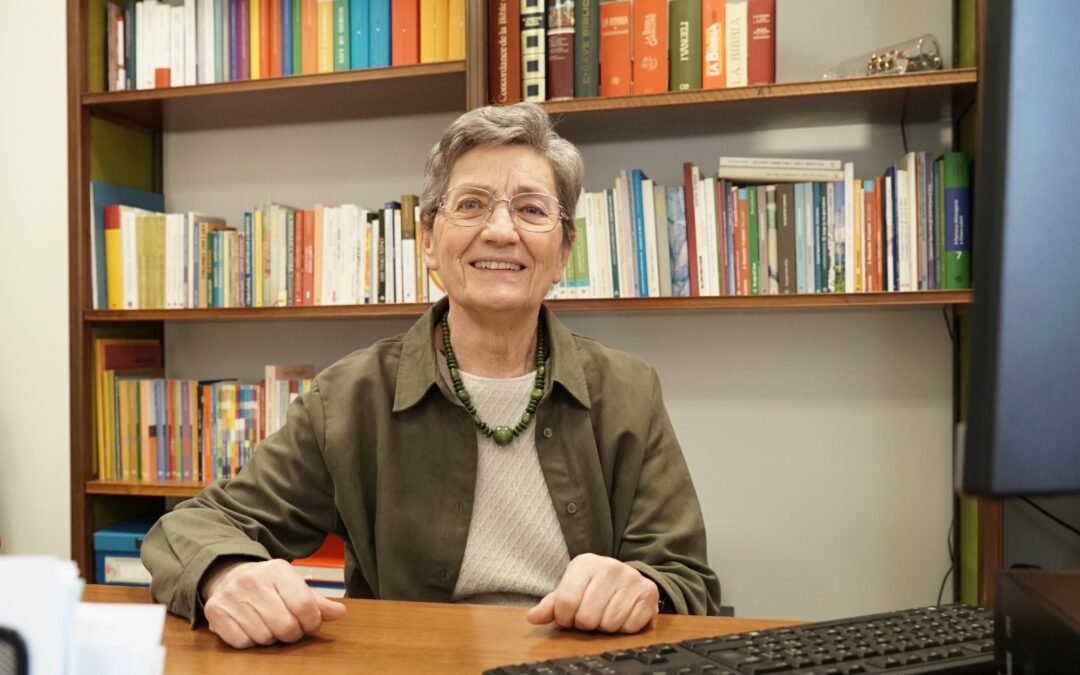
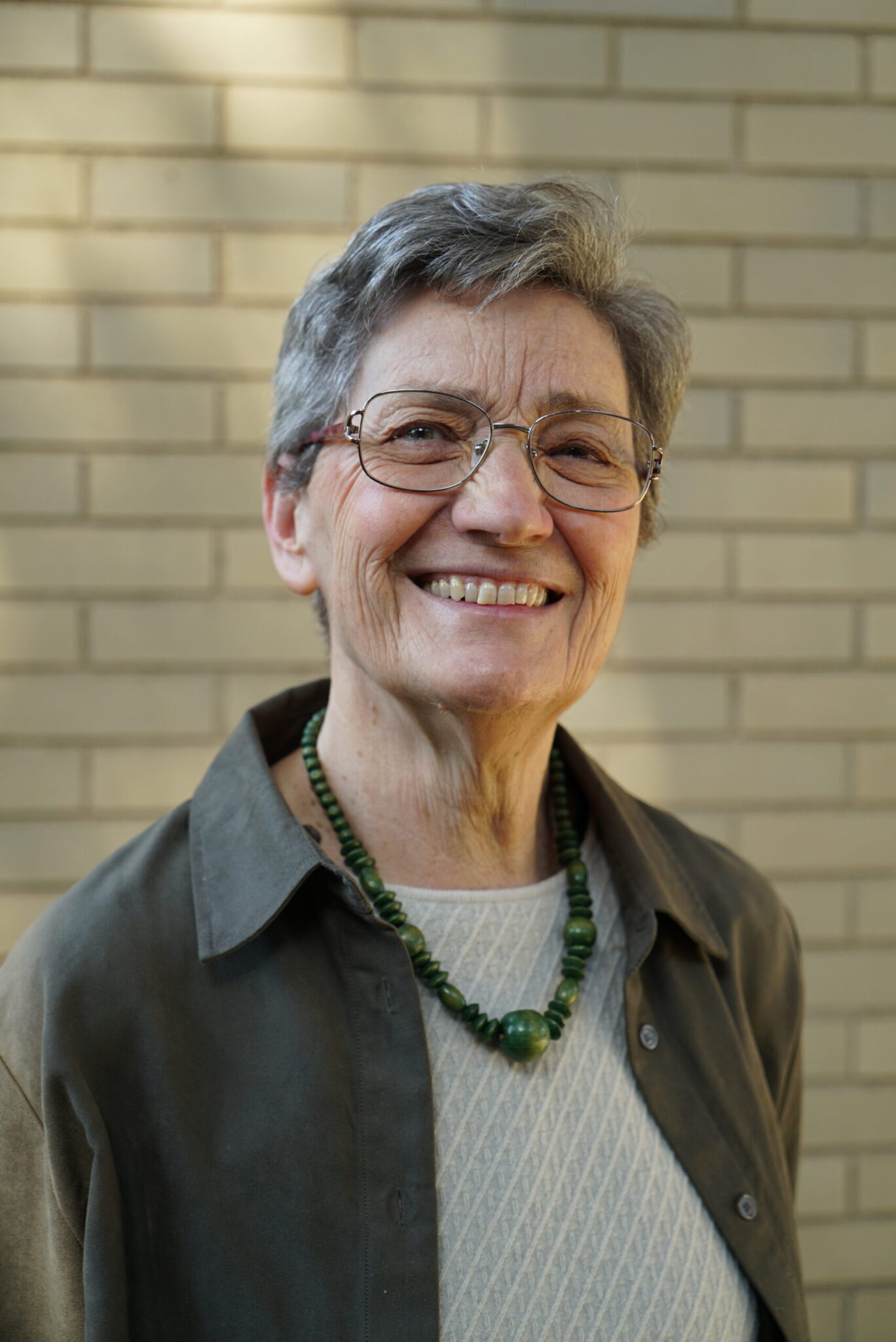
Alba Sgariglia has degrees in philosophy and theology. Since 1975, the year before she entered the focolare, she began working at the Study Centre of the Focolare Movement alongside the foundress, Chiara Lubich.
What did your work at the Study Centre consist of?
I used to go to the library in Florence to photocopy passages from the Greek Fathers, which we would then translate at home, searching through countless pages for those brief phrases that could serve Chiara Lubich to confirm her inspirations. At the time I was working with Marisa Cerini, who told me: for us, building unity means that we should enter into the thought of the Greek Fathers and from there try to understand the light of the charism that Chiara has received. In the following years I also taught religion in secondary schools in Rome. I then joined the governing body of the Movement to oversee the cultural aspect and subsequently I became part of the Abba School, which Chiara founded in 1991 to study the notes from the so-called period of Paradise ’49. Finally, in 2014, Maria Voce Emmaus, then President of the Focolare Movement, entrusted me with the Chiara Lubich Centre, which was established to preserve, study and promote the life and work of Chiara.
What does this newly published book represent?
Paradise ‘49 is a text published posthumously, since it was written, compiled and edited by Chiara Lubich during her lifetime. She wished to describe the mystical experience she had lived between 1949 and 1951, accompanying it with footnotes that would facilitate its comprehension, so as to provide the group of scholars at the Abba School with a text that was accessible and could be used for research. The text contains a mystical experience that Chiara always said she could not keep to herself. Then, urged on by many people, she realized that the text could be understood and used by others in the Movement as well.
For example, in the early 2000s, she herself explained the essence of this experience to the young people of the Movement. Then little by little, she realized that the experience recounted in the text could also be shared with people of other religions. Over the years we have held symposia with Hindus, Buddhists and Muslims, to whom Chiara offered some passages from Paradise ’49. We have also discussed the text with people with no religious affiliation, who have given reflections far deeper than we could ever have imagined, emphasizing that it is a text of great value. There are many founders of charisms who have received this possibility of understanding the work they were carrying out, through so-called “intellectual visions” in which one perceives with the intellect what God is allowing one to see.
But since it is a mystical language, isn’t it difficult for most people to understand?
Mystical language is a unique literary genre; it is neither poetry, nor theatre, nor literature, nor theology. For example, one sometimes encounters difficulties on a theological level, because the mystic seeks words they cannot find, trying to express the inexpressible: a difficult task, so much so that often Chiara herself, whilst we were re-reading these passages, would ask us: “But how could I have written these sentences? What do they mean? Why did I write this?”
This confirms that, in such situations, the founders seek to express what they “see” using the cultural categories and concepts at their disposal, which are sometimes inadequate. For example, in Paradise ’49 there are references to The Divine Comedy because Chiara was familiar with it, or to philosophers such as Kant, whom she had studied. The external setting can also have an influence: Chiara and her first companions began this experience in the mountains of Trent, in Tonadico: it is a natural setting that speaks for itself through its beauty. This, too, helped her to express things she was perceiving for the first time in her life.
Over these 18 years since Chiara’s death, you have published books that shed light on the context of the Paradise ’49 experience…
We have continued to examine the text in depth across various disciplines, using the method Chiara had left us, which is to study everything with “Jesus in our midst”. I believe that three key aspects can be identified in this volume: the first is an educational aspect, as it teaches how to live out the charism of unity and offers a vital key to understanding it; the second aspect can be described as artistic and literary, as the text encompasses many literary genres: diaries, letters, writings and notes; finally, there is the doctrinal aspect, as the text undoubtedly has a theological focus. It is, in fact, a mystical experience that helps us to understand, on the one hand, the truths of Heaven: God, the Trinity, the Word, Mary, creation, hell and paradise; and, on the other hand, the incarnation of the charism in a movement that would have been founded in the following years, that is, after 1949–51. Every time one reads these mystical texts, one understands new things. This is what happens to me too: every time I read these pages, I understand new things, both intellectually and spiritually.
When reading the text, doesn’t Chiara seem to be a bit presumptuous in certain passages?
We need to understand why Chiara says those things in that way. We could say that it is as if God, in order to express concepts that cannot be conveyed through a human being, identifies with that person, seeing things through their eyes. This is why Chiara finds herself writing: “Today I am universal fatherhood.” But she herself asks: “What does that mean?” In that moment, she identifies with that reality, so that she can express it. In the footnotes, she herself comments on and explains her amazement and her joy at seeing that other founders had experienced more or less the same thing.
What advice would you give to someone reading this text?
I would say: take this book and read it whenever and however you like, at any time. You can discuss passages that are unclear or more complex with others, or with an expert. But I suggest that you don’t let yourself be influenced by anyone, because this text speaks directly to the individual. Let’s open it at random and read whatever page we come across. We will understand what we need at that moment, because the text, despite a few difficulties, really touches us deeply. It’s a mystical experience, that can, in a certain way, be “shared”. This is the novelty, as Chiara herself explained to us. She always made sure that everyone could participate in her experience, and this book gives us that opportunity.
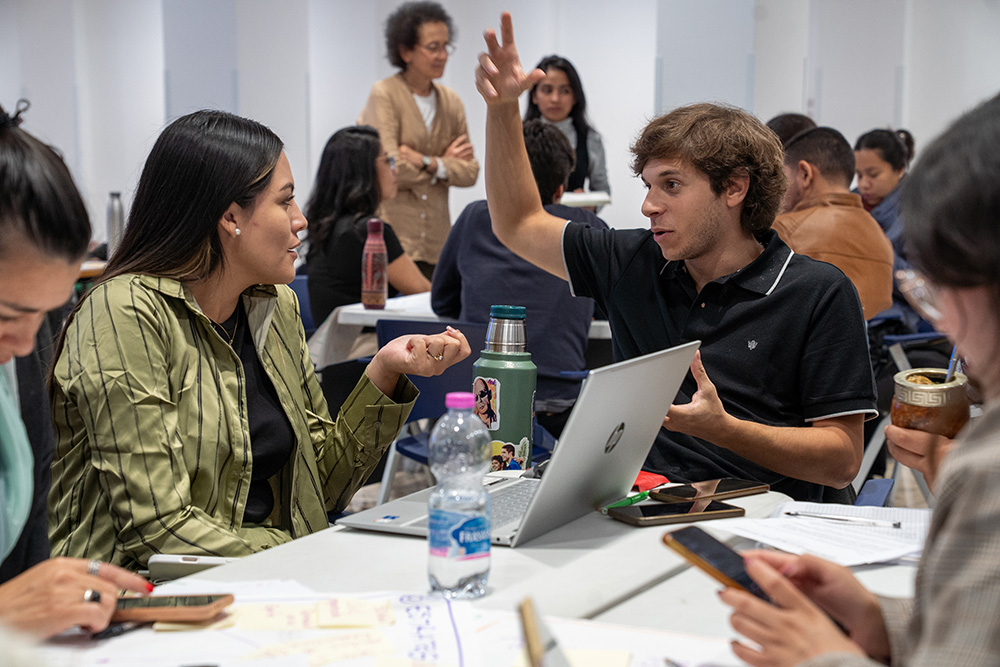
Following the profound experience shared with young people during the 2026 Hackathon, the second phase of the “One Humanity, One Planet: Synodal Leadership” programme is now getting underway. It offers a six-month virtual training course that combines in-depth study and dialogue based on participants’ diverse backgrounds, the exchange of projects and experiences, and the development of initiatives with local impact and global reach.
It is aimed at people aged between 18 and 40 who have experience in political representation, public administration, social movements, political parties and advocacy; who are committed to social and political transformation or interested in strengthening their capacity for dialogue, cooperation and collective action; and who are willing to contribute both practically and intellectually throughout the programme.
Lasting six months, delivered 100% online, completely free of charge with an estimated commitment of three hours per week, the programme aims to reach 500 young people this year.
“We are living in a historical moment marked by deep geopolitical tensions, socio-environmental crises, increasing social fragmentation, and high levels of polarization,” say the organisers in their introduction. “These challenges call upon us: they reveal the limits of traditional governance models and the urgent need for new forms of leadership capable of generating dialogue and activating processes of collective action to promote peace and unity. In this context, we have chosen a synodal style of leadership: a leadership based on listening, participation, shared responsibility, and the construction of shared solutions. If you believe that politics can be a space to regenerate relationships, promote the common good, and care for humanity and the planet, this call is for you. We invite you to become part of an international space for training and cocreation of political initiatives together with other young leaders from different regions of the world, in order to rethink governance in the face of today’s challenges”.
The deadline for applications is Friday 19 June 2026.
Are we content to live in a world dominated by ‘the law of the jungle’ where we must crush or overpower others in order to succeed? Are we happy living in a world where we view other people with suspicion and, for fear of losing what we have, erect physical or invisible barriers around us? Do we resign ourselves to letting the days pass by without hope and without finding meaning in what we experience? Furthermore, do we even ask ourselves if this is really living life to the full?
In a complex and uncertain world, we have the opportunity to be bearers of a new way of understanding life. But to do so, we must first experience it. How can we do this?
Through no choice of our own, we have been born with certain abilities or talents that have been freely given to us. Some people find it easy to communicate, others havean artistic and creative capacity and we all possess a certain intelligence. In addition, life may have given us unique opportunities to develop these talents. The question is what do we do with all this? We have two options: we can either use these abilities solely for our own personal benefit, enjoying what they offer us, or we can put them at the service of others and share them.
Perhaps the second option will not guarantee immediate financial gain — which today seems to be the world’s main driving force — but it will undoubtedly allow us to help build a different way of life and contribute to creating a world in which competition is not an end in itself but a means to improve and grow together.
This will not be an external reality but a process that begins in our daily relationships and in the choices that determine our behaviour. People who live in this way demonstrate that change is possible. Wherever they are, they bring a new paradigm into view and show that this change is near.
Let’s act humbly and share who we are and what we have. We could accompany and offer affection to those who need warmth and closeness, thus alleviating their suffering. Let’s practise those values that can be a driving force for change and contribute to a society founded on justice, respect, peace and the dignity of all people; a society in which forgiveness and reconciliation are promoted and the good of all is sought.
We are stronger and more credible if we act together, especially if we remain steadfast in our choices. Let our actions not seek recognition, nor be based on calculation or self-interest. Transformation is slow, sometimes imperceptible, but if we persevere, change will come about, grow and take root. The future is beginning to take shape.
THE IDEA OF THE MONTH is currently produced by the Focolare Movement’s “Centre for Dialogue with People of Non religious Beliefs”. It is an initiative that began in 2014 in Uruguay to share with non-believing friends the values of the Word of Life, i.e. the phrase from Scripture that members of the Movement strive to put into practice in their daily lives. Currently, THE IDEA OF THE MONTH is translated into 12 languages and distributed in more than 25 countries, with adaptations of the text according to different cultural sensitivities. dialogue4unity.focolare.org
In this chapter of Matthew’s Gospel, the apostles have just been chosen by Jesus. He has called them by name and given them special powers to cast out unclean spirits and the ability to heal every disease and infirmity. He then gives them instructions on where and how to carry out their first mission. In fact, the message they are to proclaim is clear: “The kingdom of heaven is at hand.”[1].
The stipulation to proclaim this message as they go emphasises two things. First and foremost, true disciples should proclaim the closeness of the Kingdom but it is also true that their relationship, as they journey forward together, should also witness to this message. In fact, in John’s Gospel, after giving the new commandment, Jesus says: ‘By this everyone will know that you are my disciples, if you have love for one another.’[2].
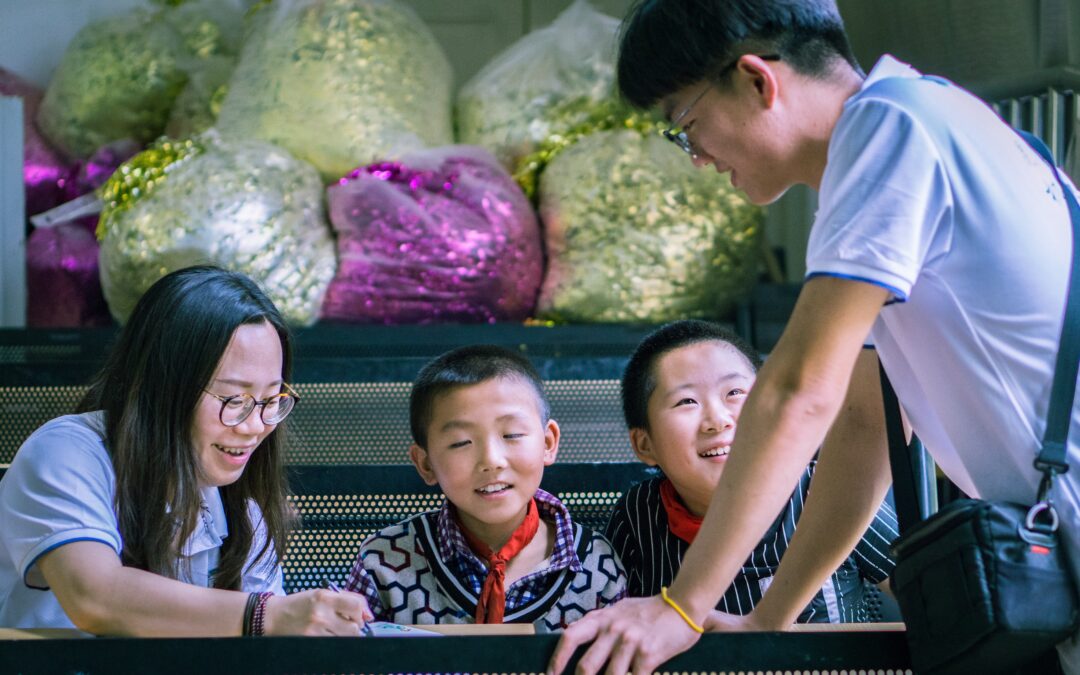
As you go, proclaim this message: ‘The kingdom of heaven has come near.’ […]
[…] Freely you have received, freely give.
The ‘kingdom of heaven’ is at the heart of Jesus’ proclamation. The similar expression, ‘kingdom of God’, is used in the Old Testament to indicate God’s lordship, governance and saving action in human history. He is the ruler of the world and especially of the people of Israel, who were waiting for a descendant of King David to restore Israel’s role among the nations. In the New Testament, Jesus himself is presented as this descendant and therefore king. Unlike a temporal kingdom, the “kingdom of heaven” is a reign of peace and justice where forgiveness and reconciliation and care for the needy prevail, bringing light and life to all nations. It is a kingdom that already exists in the world and in the human heart but will only reach fulfilment at the return of Jesus.
As you go, proclaim this message: ‘The kingdom of heaven has come near.’ […]
[…] Freely you have received, freely give.
Jesus announces that the kingdom is close in time. It is imminent. Parables such as that of the mustard seed or the leaven in the dough indicate that the kingdom grows humbly and mysteriously but with great tenacity. ‘Near’ also has a spatial meaning. When the disciples, who carry the presence of Jesus’ spirit, approach on foot, the kingdom of God approaches, and when, in Mark’s Gospel, Jesus says to the scribe:
‘You are not far from the kingdom of God,’ [3] he probably meant not only ‘you have begun to understand’ but also ‘you are not far from me.’
As you go, proclaim this message: ‘The kingdom of heaven has come near.’ […]
[…] Freely you have received, freely give.
The word ‘freely’ translates a term that in the original Greek means ‘as a gift.’ This highlights that what the apostles received was not given to them because they deserved it. Instead, the source is God’s generosity and the fact that they were chosen for a special mission.
Chiara Lubich writes: “The kingdom of God must therefore be welcomed. It is a gift that God gives you. In fact, no human effort, no ascetic endeavour, no study or intellectual research can bring you into the kingdom of God. It is God himself who comes to meet you, who reveals himself with his light or touches you with his grace. there is no merit that you can boast of, or rely on, to be entitled to such a gift from God. The kingdom is offered to you freely ‘ [4]. Today, we too are called to welcome this gift. We are invited to continue the task that Jesus entrusted to the apostles, that is, to proclaim with words and deeds that the kingdom of God is near. Even in this troubled and uncertain world, we are called to announce a message of hope to everyone we meet. God loves the world and each one of us immensely.
Prepared by Augusto Parody Reyes & the Word of Life Team
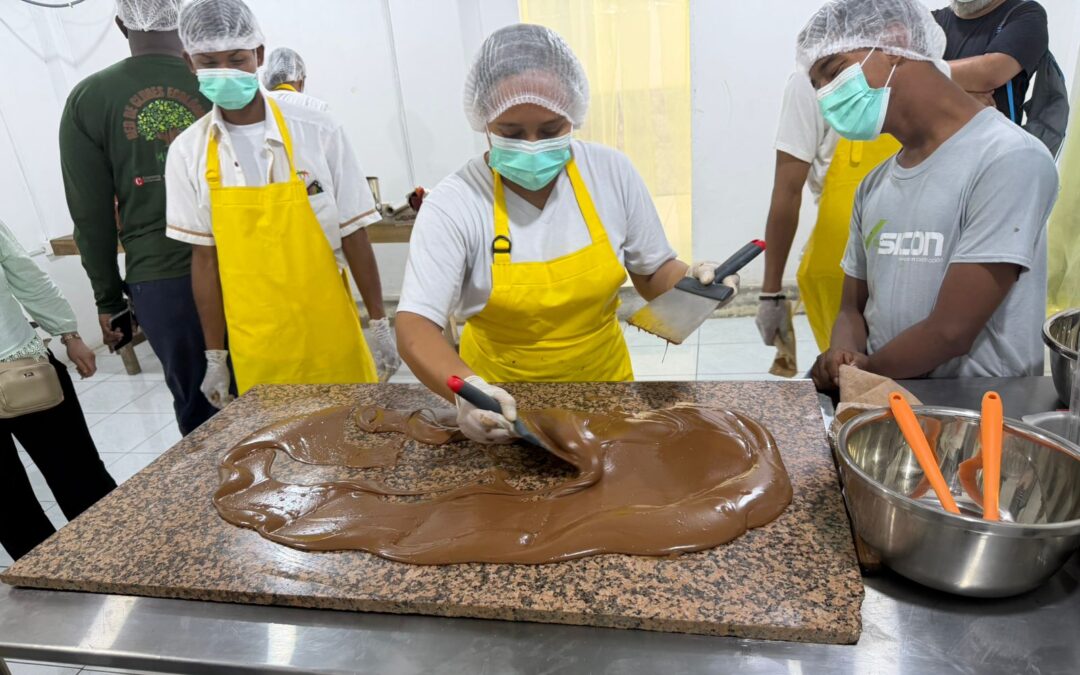
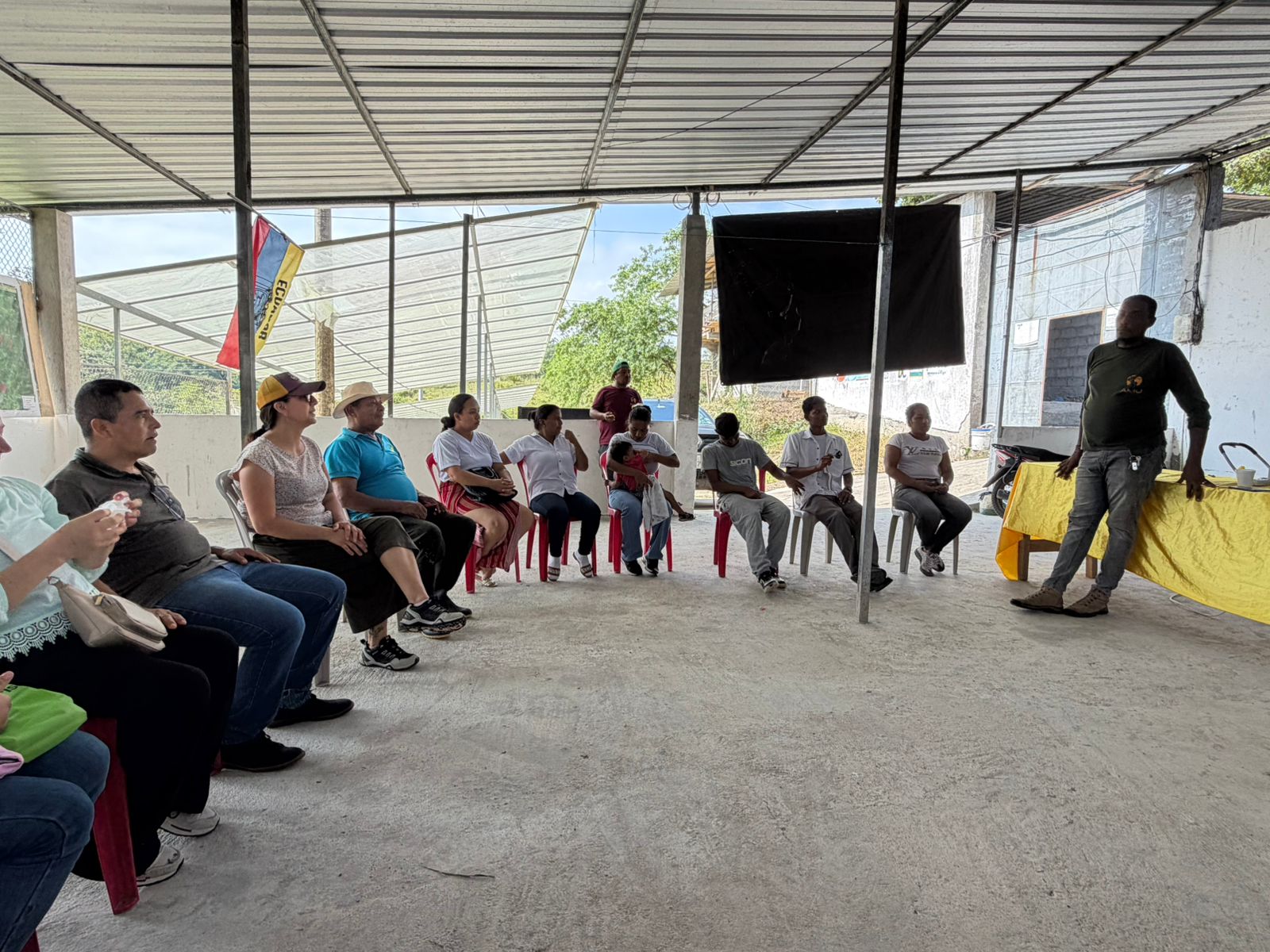
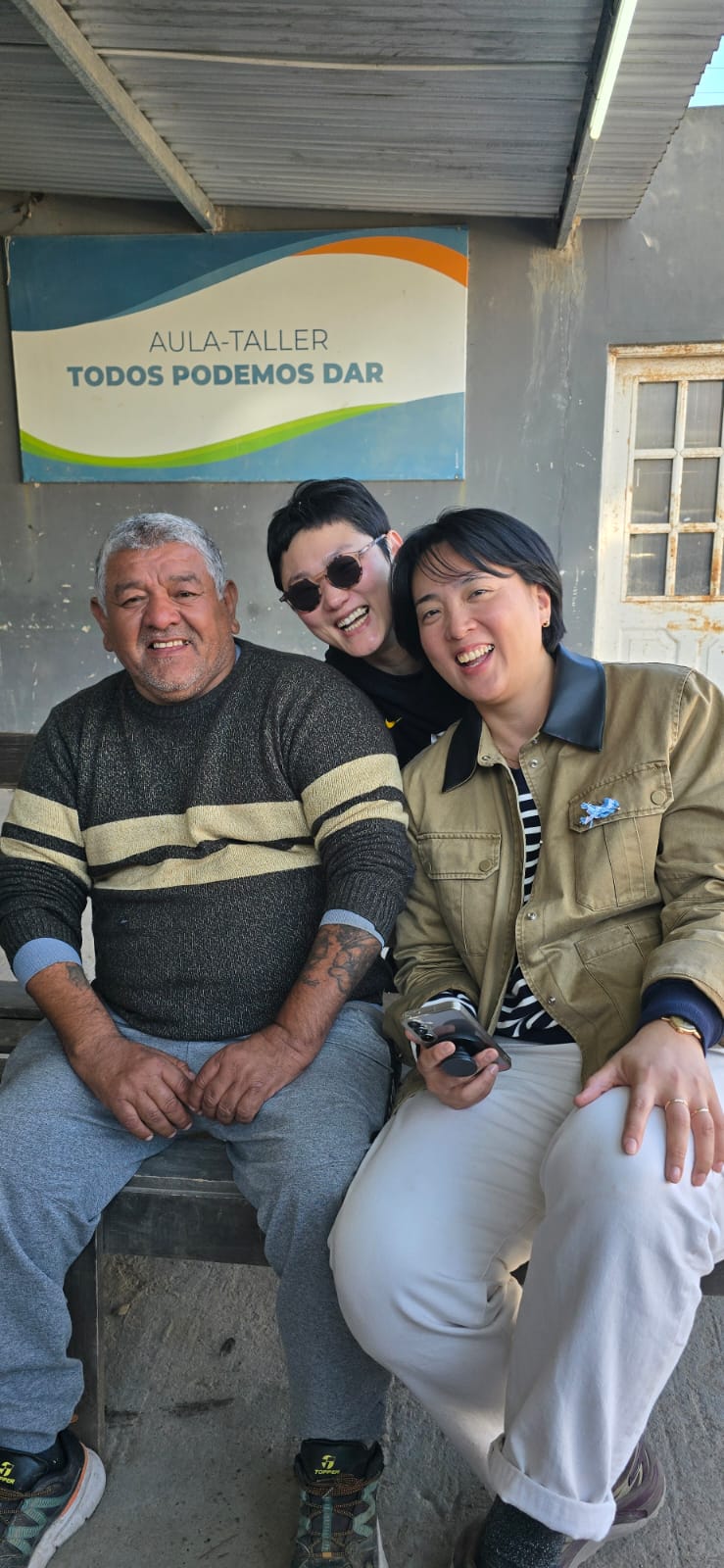
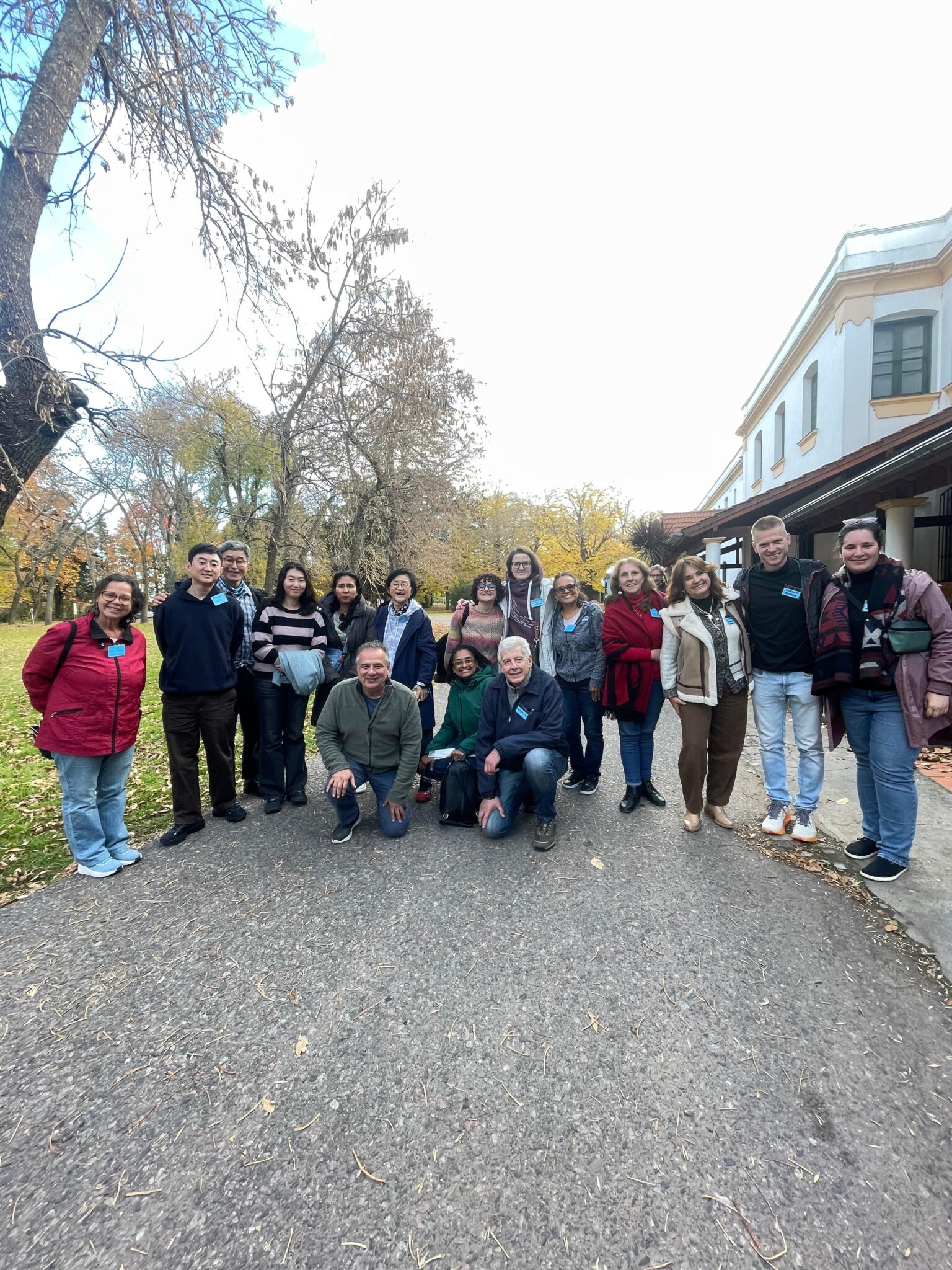
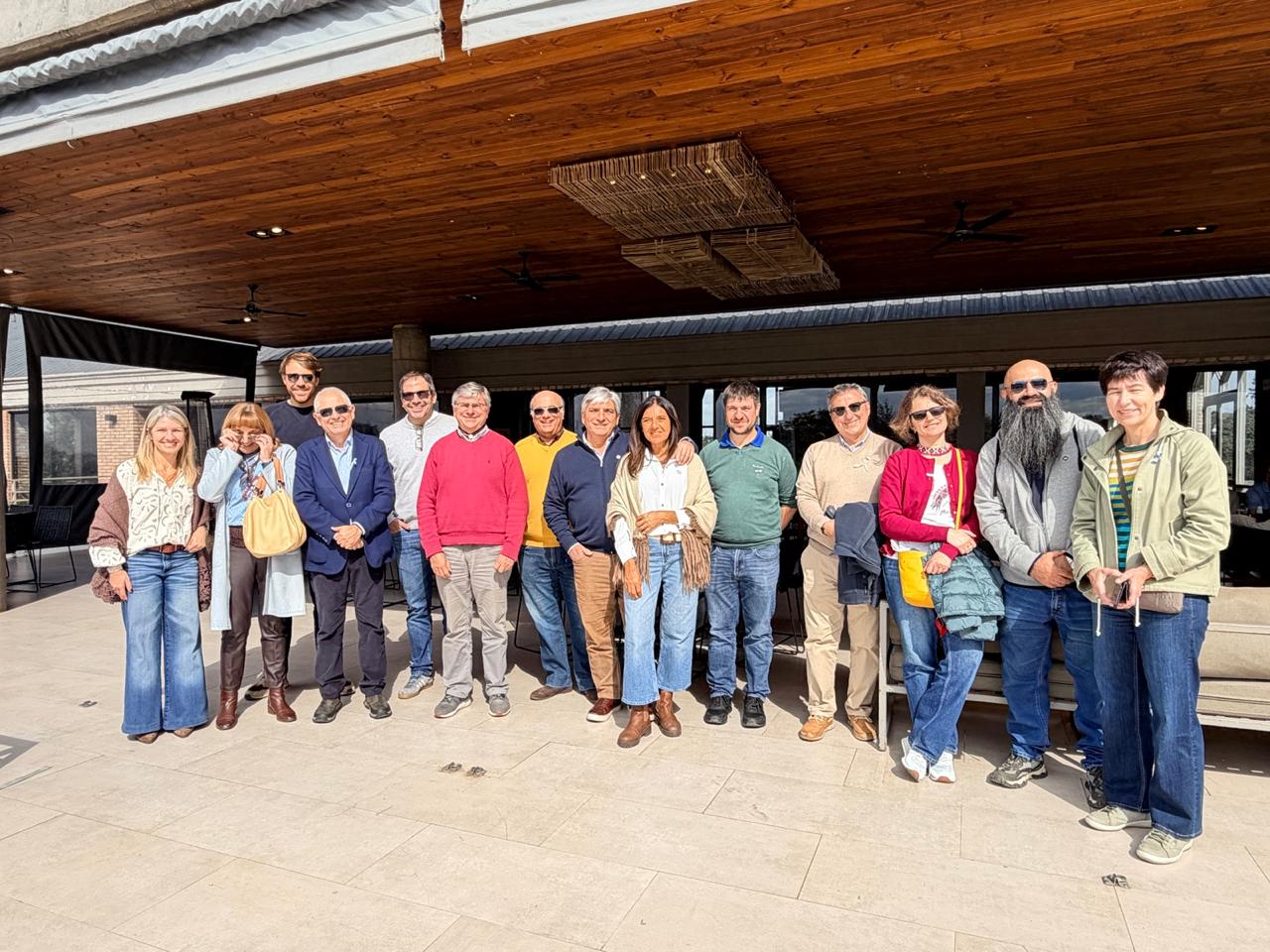
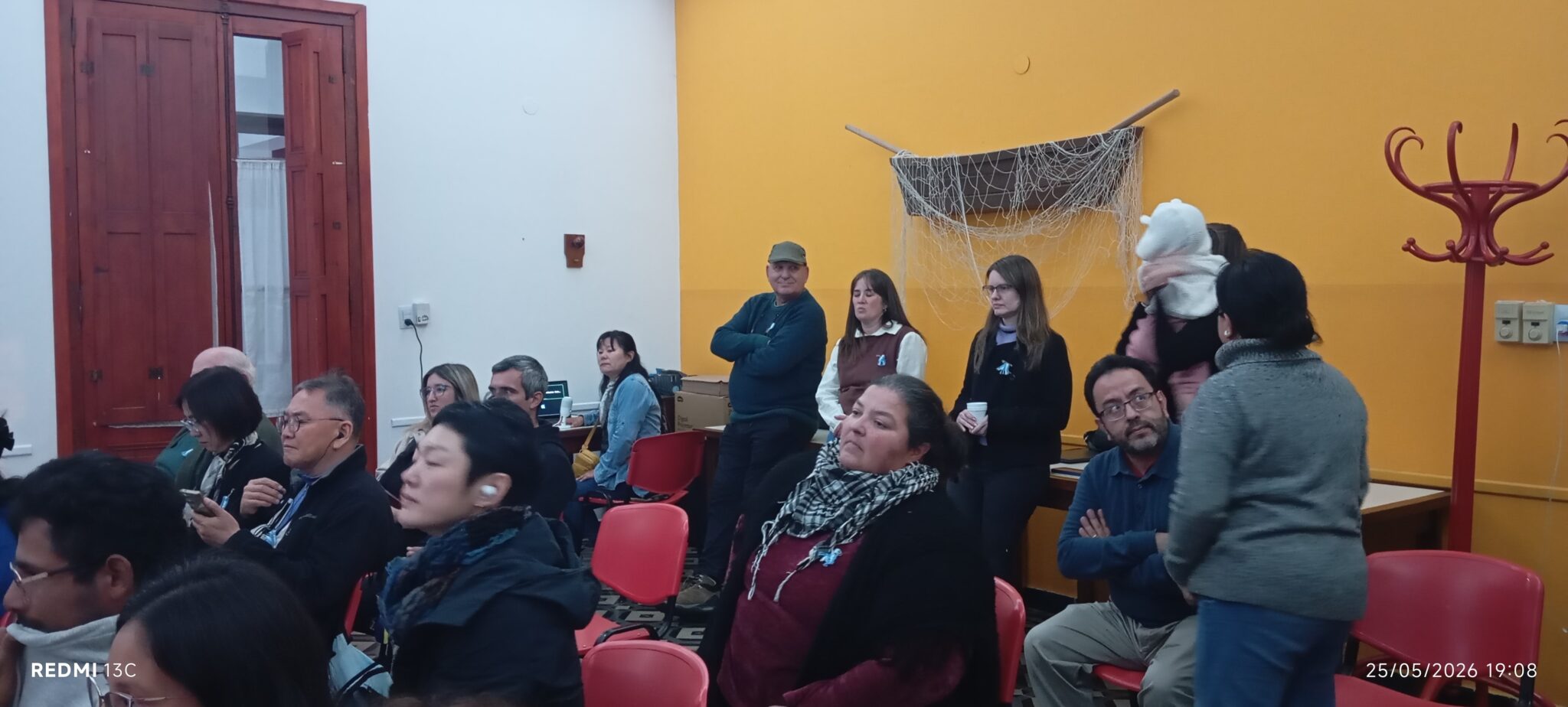
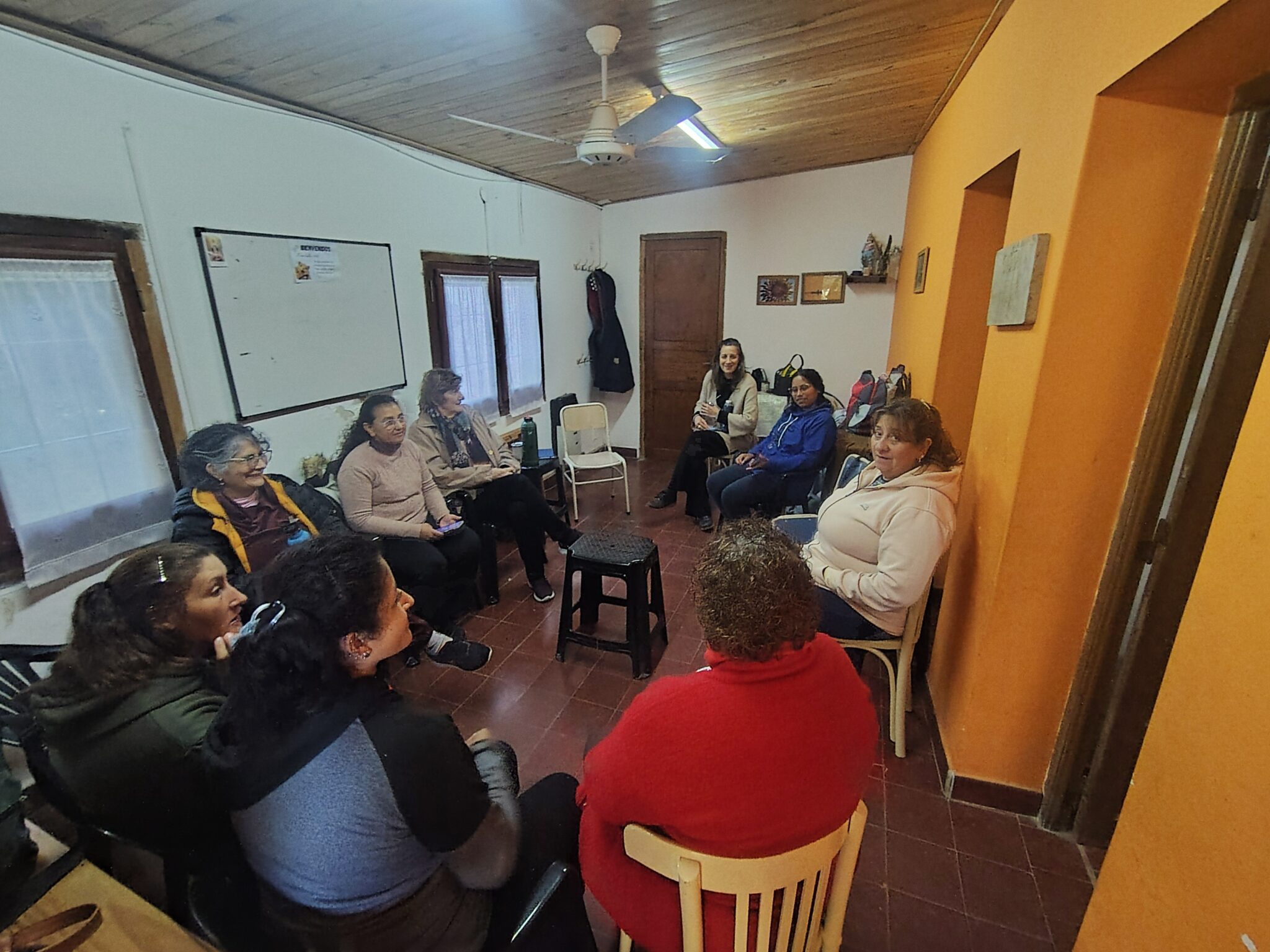
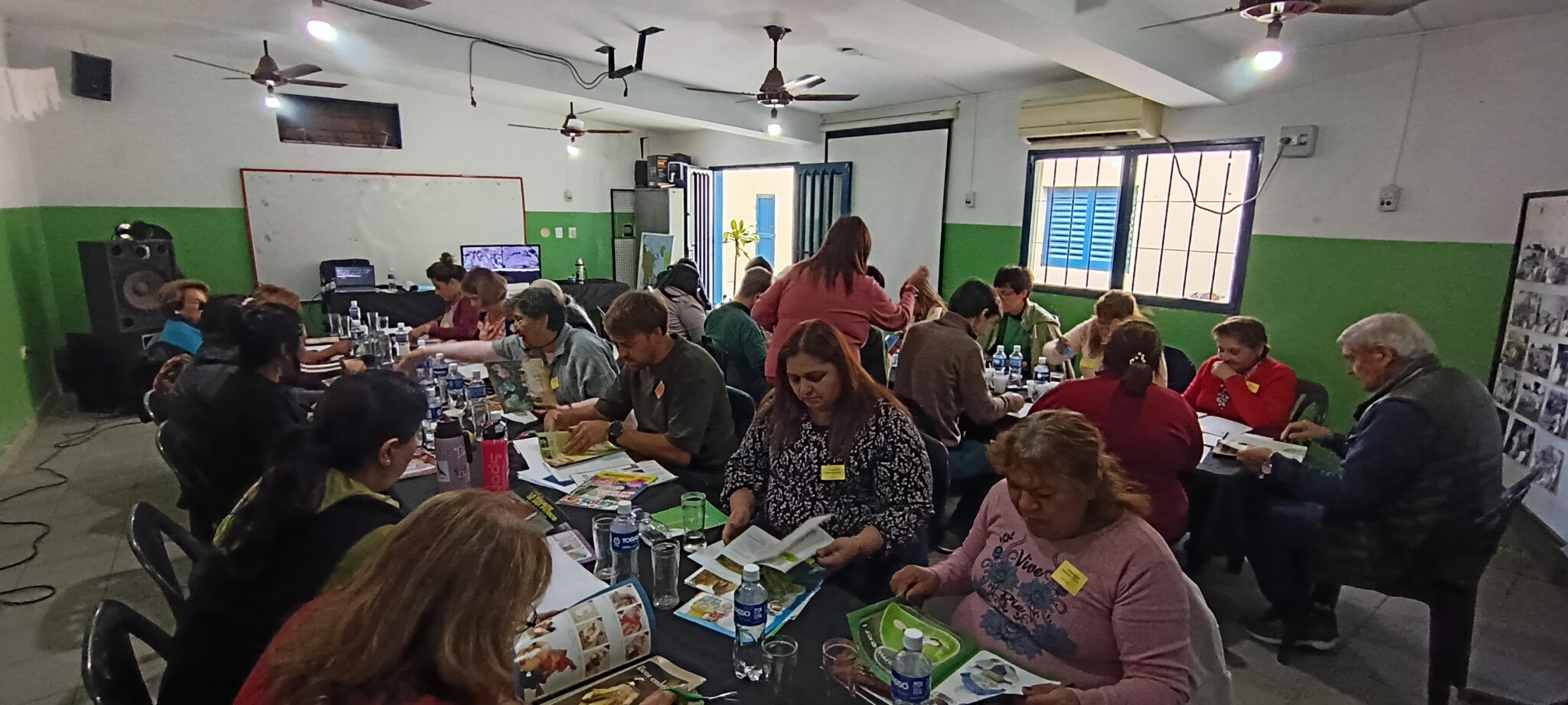
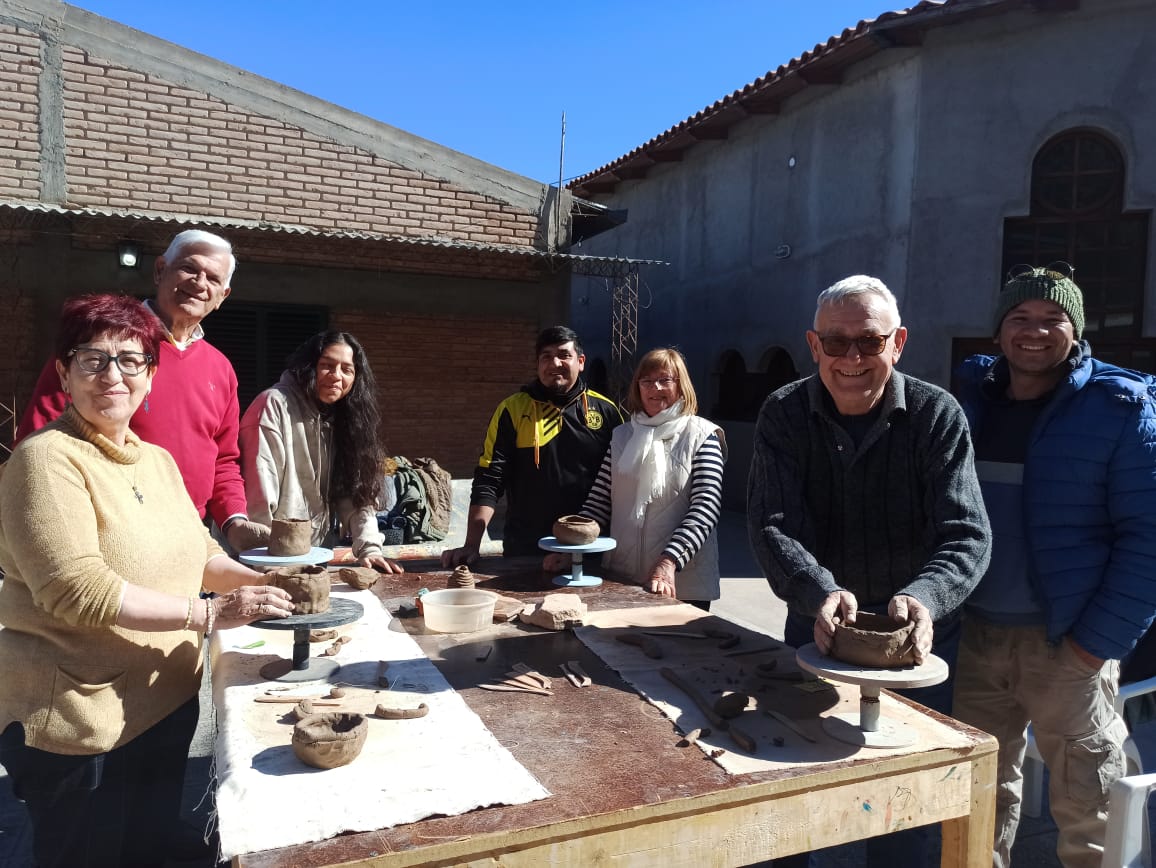
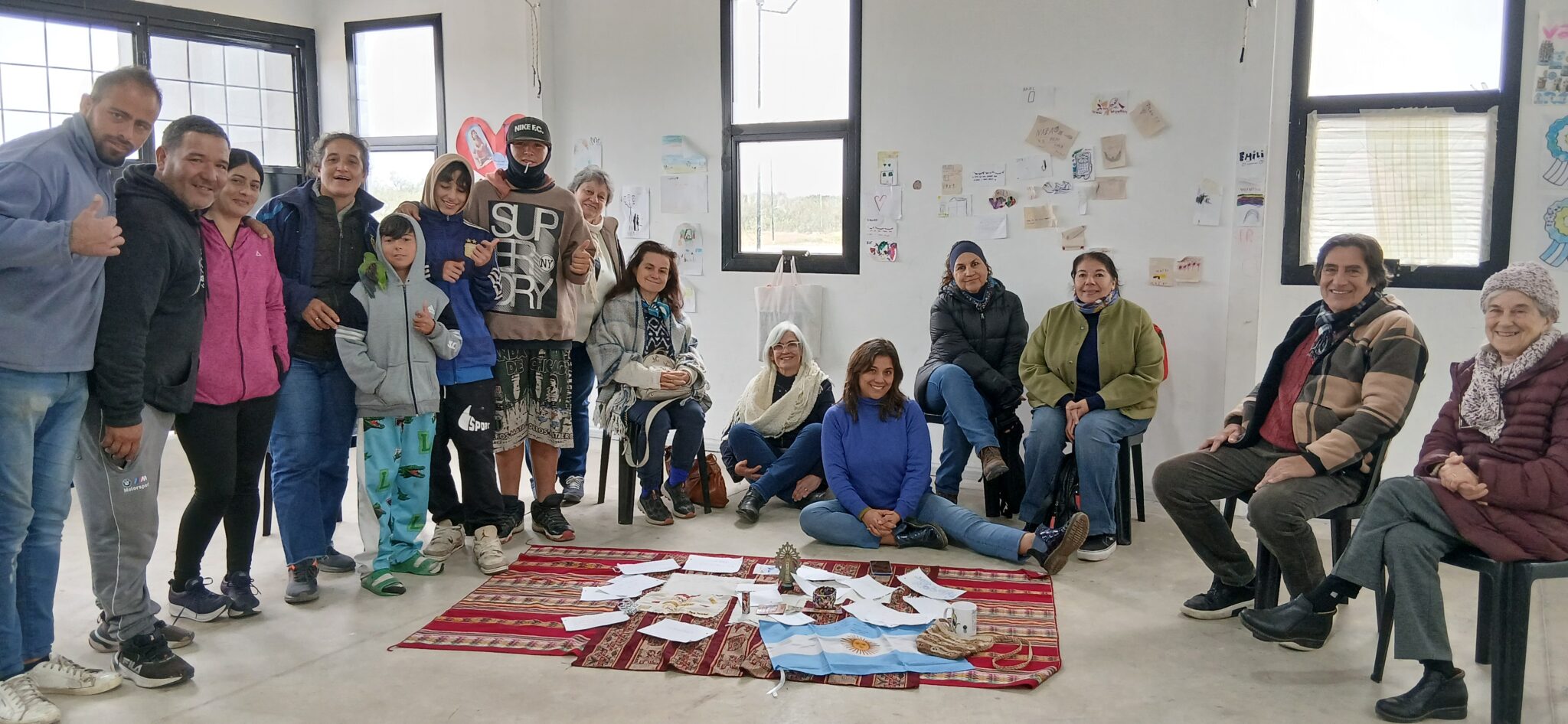
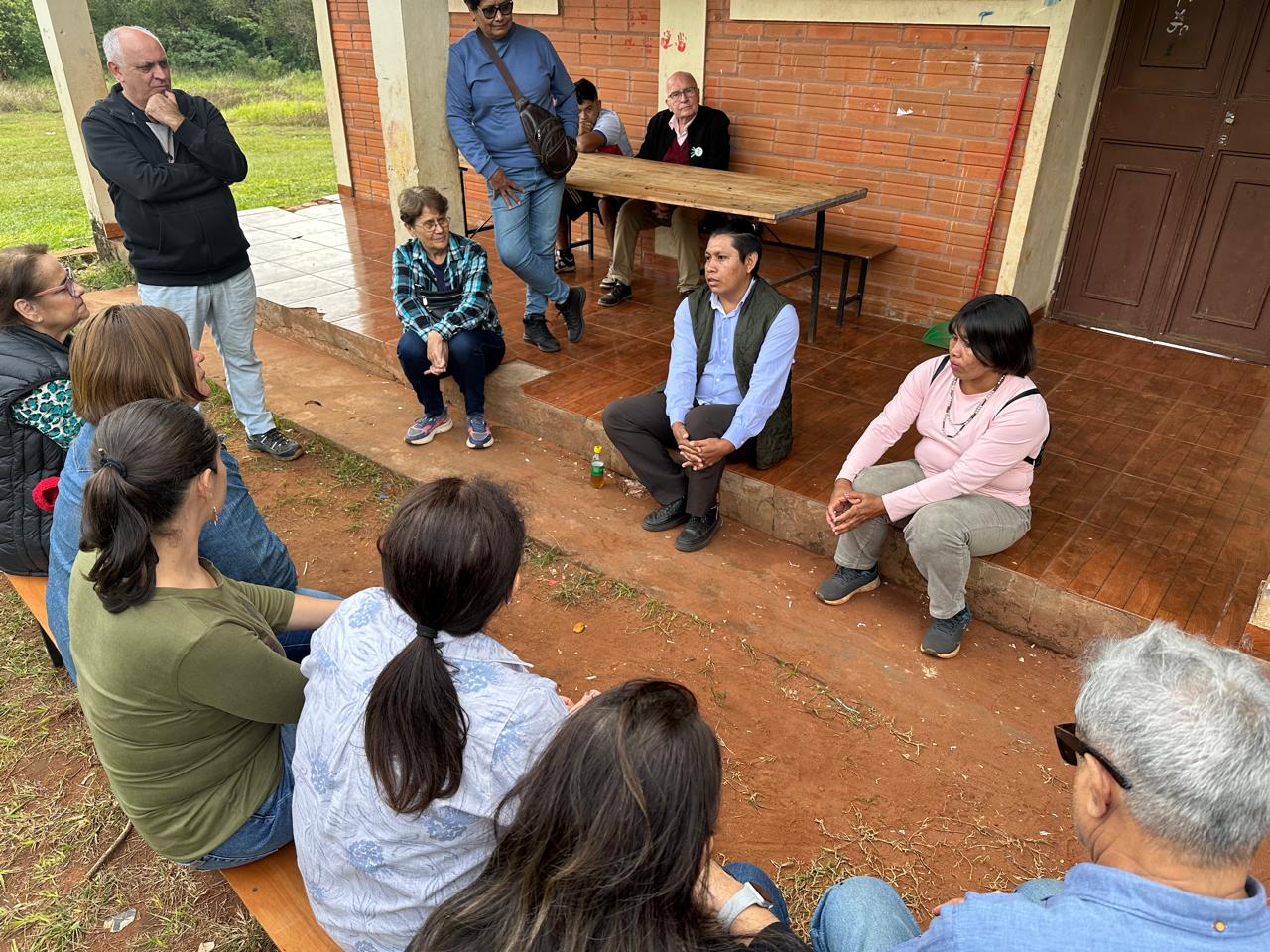
Five hundred people from 43 countries, representing every continent, have gathered in different parts of Latin America, for this important event dedicated to the Economy of Communion, 35 years after its birth.This “path of regeneration”, as it has been defined, began on 25th May 2026 and is a kind of “journey” of the Economy of Communion through various regions that will end on 29th-30th May in Buenos Aires. The first stage involves participants immersing themselves in different social projects around the Southern Cone. The key word of this experience is “encounter”: encounter between different worlds, lives, situations and different forms of wealth. A “meeting again” that generates relationships and communities.
Isaías Hernando, from Spain, a member of the International Commission of the Economy of Communion explained, “The Economy of Communion is lived by bringing together people from different sectors, entrepreneurs and academics, those who live in situations of poverty or vulnerability and indigenous populations. In some way it aims to offer a preview of what a different economy can really be like. This is precisely the spirit of the first phase of the event: it is not just a matter of visiting symbolic places, but of entering into situations where this experience is already visible. Not simply showing it but engaging in dialogue and a deep encounter between people from different cultures and those who live in situations of fragility. It is an experience that highlights the vocation of the Economy of Communion – to build fraternal communities “.
Why do we talk about “regeneration”? Anouk Grevin, from France, Coordinator of the International Commission of the Economy of Communion told us: “The idea of regeneration comes from the desire to care for the wounds of the economy and of our earth. Wounds regenerate from within – the skin rebuilds itself around the wound. Of course, there can be help from the outside, but everything begins there. This is the meaning we wanted to express in thinking about the regeneration process.”
It is a project in which the protagonists are those who live in the very places where wounds exist, who dwell within serious wounds. Anouk added, “It is a journey in which all of us have recognized ourselves as part of this fraternal and global community. We do not bring answers, we do not bring resources, we bring an experience of communion that is intended in itself to be generative”.
A characteristic of the Economy of Communion is that it requires the involvement of all the actors together: entrepreneurs, scholars, ordinary citizens, employees, micro-entrepreneurs and people who live in difficult situations. Anouk further stated, “It is not just an entrepreneurial project or a business model, but a community of people building a new economy together, precisely in places that are often not associated with the dominant economy, and that are already generating something new”.
The work is ongoing. There has been a vast range of experiences since the birth of the Economy of Communion and it is hoped that the days in Buenos Aires will open up new perspectives, as Hernando desires: “I believe that the intuition that Chiara Lubich had in 1991, when she launched the Economy of Communion in Brazil, had a strong prophetic character, in the sense that living this experience and making it real, means in some way anticipating the future. In this sense, I think that at this moment of history, the Economy of Communion is called to highlight that prophecy, somehow making it real and incarnate albeit on a small scale”.
by Carlos Mana Photo: Courtesy of EdC
WORK ON VARIOUS SOCIAL PROJECTS
Sunrise, EcuadorVolcadero, Paraná, Entre Ríos (AR)Mariápolis Lía, O’Higgins (AR)Scuola Chiara Lubich, JCPaz (AR)Rete Piccoli produttori, Entre Ríos (AR)Casita Estrella, Paraná (AR)Fondazione Lucia, Tucumán (AR)Scuola Aurora, Catamarca (AR)Custodi della Casa Comune, La Plata (AR)Asunción, Paraguay

![“As you go, proclaim this message: ‘The kingdom of heaven has come near.’ […] Freely you have received, freely give.” (Mt 10:7-8)](https://www.focolare.org/wp-content/uploads/2026/06/birgit_lutzer-group-4708306_1920-1080x675.jpg)