… Unity. What is unity? Is it possible to achieve unity?
Unity is what God wants from us.
Unity is the fulfilment of Jesus’ prayer: ‘That they may all be one. As you, Father, are in me and I am in you, may they also be in us’ (Jn 17:21).
But unity cannot be achieved only through our own efforts. It can be accomplished only through a special grace which the Father grants if he finds us prepared, in accordance with a precise and necessary pre-requisite.
That is mutual love lived out as Jesus commanded.
We must love one another as he wants, which is not – as we know – simply a spiritual friendship, agreement or just understanding one another.
It means that we should love one another as he loved us, that is, to the point of the abandonment: to the point of complete material and spiritual detachment from things and persons, so that we can make ourselves one reciprocally and perfectly.
By doing so, we will have done our part and we will be in a position to receive the grace of unity, which will not be lacking, which should not be lacking.
How thankful we should be at the thought of being called to this; what an incentive to do all we can in order to obtain this gift which is lacking wherever this is not lived.
We must remember that there is an added grace in our communitarian spirituality; that heaven can be opened to us in every moment; and if we do what it asks of us, filled with this grace, we can do much, very much for the kingdom of God.
Undoubtedly, it is this grace that explains the great expansion of our Movement and many wonderful achievements linked to it.
This is why, in the beginning, conscious of this extraordinary privilege, we expressed ourselves in this way:
‘Keep one idea fixed in your head. Was alway It s one single idea that made great Saints. And our idea is this: Unity’.
‘Let everything else crumble – Unity, never! … Always have this Fire burning among you. And don’t be afraid if it means dying. You’ve already experienced that Unity demands the death of everyone, to give life to the One! … Do this as your sacred duty, even though it will bring you immense joy! Jesus promised the fullness of joy to those who live Unity! …’
During the next month, let us make every effort to obtain this gift always.
And let us not seek it solely for our own happiness, but in order to be prepared for our typical form of evangelisation. You know it: ‘That they may be one … so that the world may believe’ (Jn 17:21).
The world has a great need of faith, it needs to believe! And we are all called to evangelise. One day, St Francis said to one of the brothers: ‘Let’s go out to preach.’ Then, tucking their hands inside the sleeves of their cloaks and with their eyes cast down they walked through the city preaching through their very being, mortification and total poverty.
Let us also go out to the world and launch our way of preaching. If someone observes two or more of us united (in the focolares, in the nuclei, in the units, in our meetings, or because we happen to be together) may they be struck by a ray of our faith and believe.
May they believe in love because they have seen it. Let’s get down to work. This is what the Lord wants from us. He wants it through our charism which has been engraved in our Statutes: unity is the premise that comes before every other will of God. Then we can also speak in order to spread the Gospel… but afterwards.
Chiara Lubich (Convesazioni, Città Nuova, Roma 2019, pp 522/4
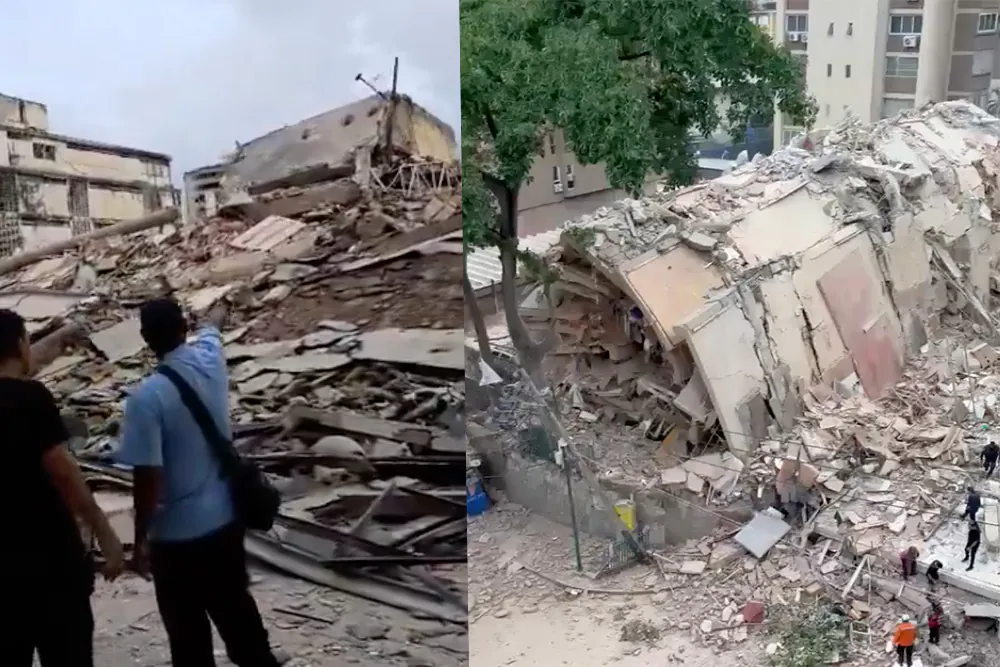
The Focolare Movement’s Emergency Coordination Team has launched a special fundraising campaign to support the people of Venezuela through Action for a United World (AMU) and Action for New Families (AFN). The donations received will be managed jointly by AMU and AFN to provide the people affected by the June 24, 2026, earthquake with essential aid for food, medical care, housing, and shelter in various cities across the country, in collaboration with local churches.
Every contribution will provide immediate support and allow us to imagine together a future of hope and reconstruction.
Azione per un Mondo Unito ETS (AMU) IBAN: IT 58 S 05018 03200 000011204344 at Banca Popolare Etica Codice SWIFT/BIC: ETICIT22XXX
Azione per Famiglie Nuove ETS | Banca Etica – filiale 1 di Roma – Agenzia n. 0 | Codice IBAN: IT 92 J 05018 03200 000016978561 | BIC/SWIFT: ETICIT22XXX
Reason for payment:: Venezuela Emergency
Tax benefits are available for such donations in many EU countries and in other countries around the world, according to different local regulations.Italian contributors will be able to obtain deductions and allowances from income, according to the rules for non-profit organisations
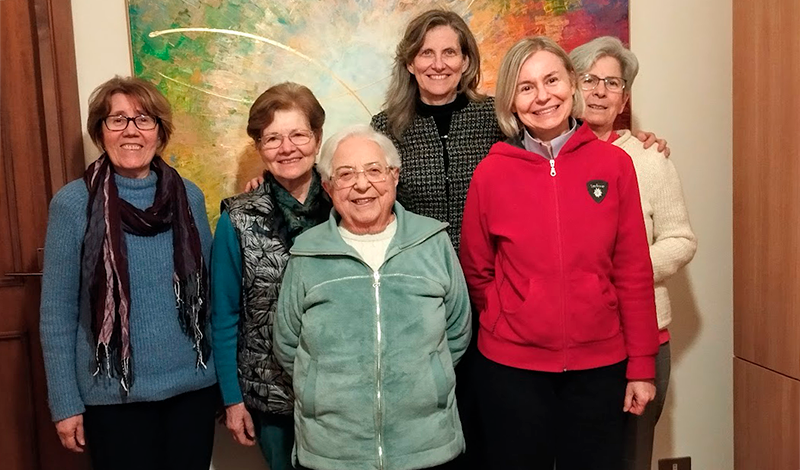
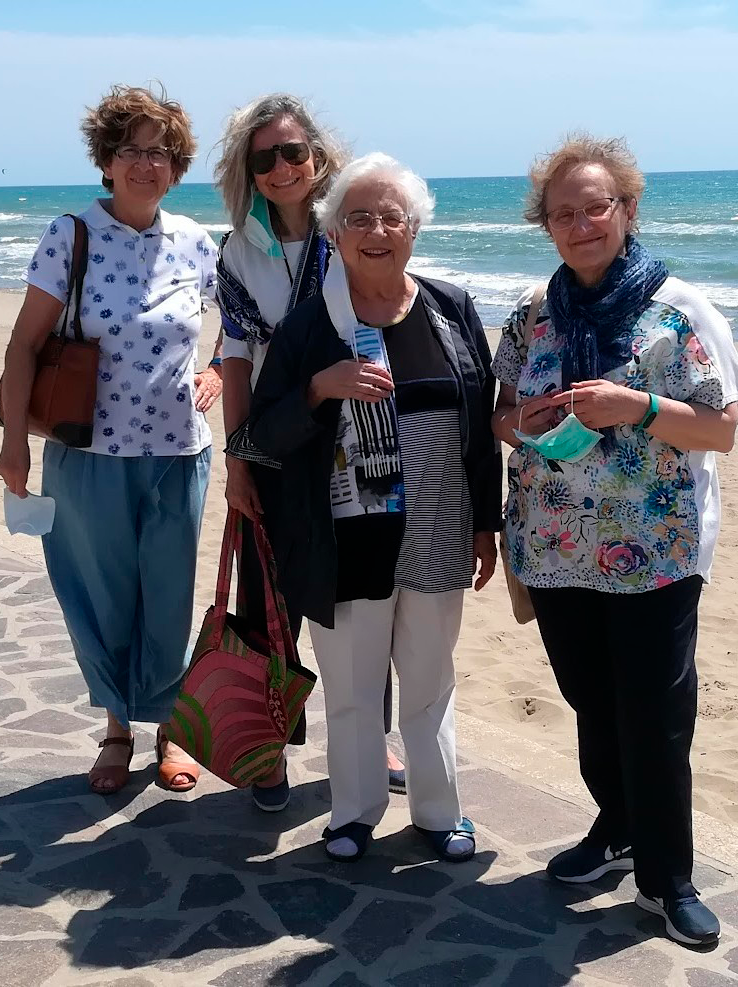
In the daily life of the focolare, Maria Voce lived the Gospel of unity in a simple yet radiant way, expressing it with intelligence, freedom and creativity.
One quality stood out immediately: she engaged her heart, imagination and intellect in loving each person in the way that person most needed to be loved. There were no formulas or ready-made solutions. Every individual was unique, and she took that uniqueness seriously.
One of us, for example, remembers arriving at the focolare unable to eat dairy products. A small detail, one might think. But not for Emmaus. Without ever drawing attention to it, she always made sure there was an alternative available at mealtimes. It was more than simple thoughtfulness; it was her way of saying: you are important just as you are. The same was true of different dietary choices or sensitivities. She respected them with a freedom that allowed her to welcome even what others might have found difficult to understand.
With Emmaus, everything seemed possible. Not because she made grand plans, but because she knew how to listen to people’s deepest desires and help them flourish. In this way, the dream that one of us had – to spend time in an English-speaking country to improve her language skills—became, with surprising simplicity, her birthday gift to that person.
She also had a special sensitivity towards different cultures. She did not merely appreciate them; she welcomed and valued them with profound respect. On the occasion of a traditional Korean celebration, she encouraged one of us, Korean, to embrace the event fully: to wear traditional dress and observe every custom, without shortcuts. Nor did she remain a spectator herself. She wanted to participate wholeheartedly, preparing an envelope with a monetary gift, as tradition prescribes for an elder offering a gift to a younger person. It was her way of saying that every culture is a gift to be treasured.
Emmaus also knew how to recognise and nurture each person’s interests and aspirations. When someone enjoyed cultural events, she did not simply say, “Go—it will be nice.” She actively searched for opportunities nearby, suggested them, encouraged participation and, at times, even accompanied us. It was as though she made other people’s dreams her own.
And then there were the gifts. They were never given merely for the sake of giving. They were carefully considered, sought out and prepared with loving attention. Whether it was a particular watch or a walk by the sea for a birthday, each gift was a tangible expression of personal love. This attentiveness extended not only to us and to other focolare communities, but also to our families—parents, sisters, nieces and nephews.
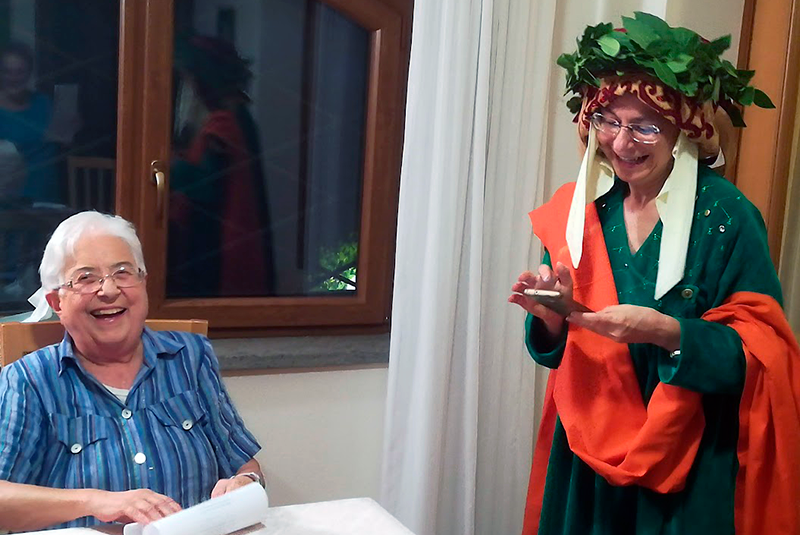
Art, too, was always present in our home and was one of her allies in fostering unity among us. How many times we sang together—she knew countless songs and poems by heart!—or staged small performances. One occasion, prepared for the Feast of the Holy Name of Mary, remains unforgettable: a joyful and imaginative reinterpretation inspired by Dante’s Divine Comedy. Shared with her and for her, it transformed a simple celebration into a profound experience of closeness to Mary.
At heart, this was Emmaus’s way of living: she created family. One episode captures this particularly well. One Sunday afternoon, without any prior notice, our entire focolare went to visit a married focolarina who had recently moved to the International Centre. Surprised, she asked through the intercom who it was. Emmaus replied simply and joyfully: “Your family!”
On another occasion, she invited us to join her where she was spending a weekend holiday. To our surprise, she had noticed in a shop several items of clothing that she thought might suit each of us. And she was right. We tried them on and chose according to each person’s taste and style, experiencing that special joy that comes when Jesus is truly present among us.
Looking back on our life with Emmaus, we can say with conviction that unity is not an abstract idea. It is something that takes shape day by day. It calls us to become personally involved in our relationships with others through the small details, thoughtful acts of care and the creativity of love. Emmaus showed us that unity becomes possible when each person truly loves and feels truly loved.
Some time ago, thanks to modern technology, after many years of not seeing each other my former school classmates reunited: we created a group on WhatsApp. Between anecdotes and old photos, we managed to identify a companion that no one had heard from anymore and we added him to the group.
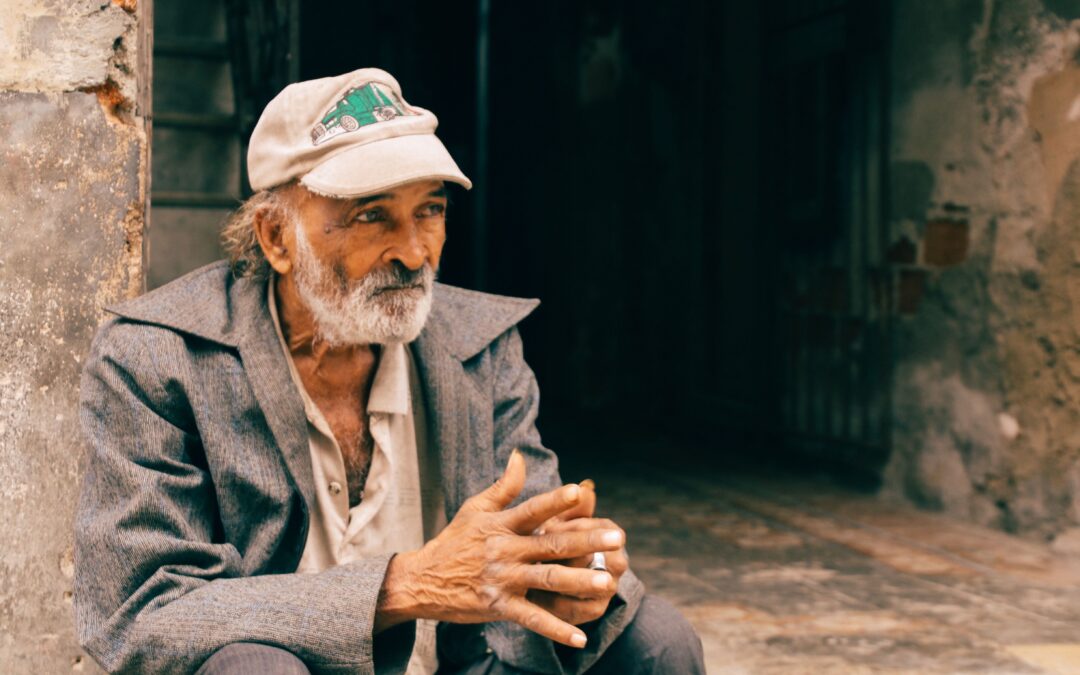
He told us that he lived on the street. A series of health problems, a battle with cancer, losing his job and family break up had left him with nothing. At first, some of us contributed some money, but faced with a second call for help, the response was silence or rejection.
Even though we hadn’t been close friends at school, I felt couldn’t just look on. I thought that since he had reappeared in my life through that WhatsApp group, I should do something. I couldn’t simply ignore him
I decided to meet him. I wanted to see for myself how he was doing and listen to him. He had spent a few days in a hostel, but had soon ended up back on the street. I didn’t have the means to solve his housing problem or offer him a home, but I felt the need to discern what God wanted from me in that situation.
We met and talked for a long time. I was deeply moved by the decline in his physical health, so I offered to help him with a natural medicine that I could provide so that, at least, he might regain a bit of peace and well-being. But beyond his physical state, I remembered that he had once felt a strong religious vocation and that he had even been on the verge of entering the seminary. I asked him about his faith.
He told me that he had distanced himself from everything; he had not set foot in a church or approached the sacraments for years. With complete sincerity, I advised him that since his illness was progressing and he felt in danger, he should seek refuge in God.
I suggested that he go to Mass, talk to a priest and, if he felt up to it, go to confession. The next day he called me overcome with emotion. He had gone to church, gone to confession and received communion. He thanked me from the bottom of his heart because he realized that, having lost all material things, his relationship with God was the only thing he really had left.
We’re still in touch today. He managed to get a pension and is feeling a little better. I continue to help him with this natural medicine complementary to his treatment and, every now and then, we meet for coffee or I bring him something he needs, like a pair of trainers. But over time I have come to understand that the most important thing was neither medicine nor shoes: it was the fact that someone stopped to talk to him.
Sometimes, a “neighbour” appears in a WhatsApp group and we run the risk of leaving them trapped in virtuality, where no one assumes any responsibility. My friend taught me that being attentive to another person’s needs, even if we cannot provide a definitive solution, is already a lot. If we could all make even a small gesture, how different things would be for other people! Let’s not allow others to be just a message on a screen, let’s make our help concrete, human and, above all, present.
Far more than a simple closing celebration, it was the visible stage of a journey built throughout the year by hundreds of young people across Italy and Albania. It is already looking to the future, aiming higher with the desire to involve many more young people, teams, and initiatives in the years ahead, both across Europe and around the world.
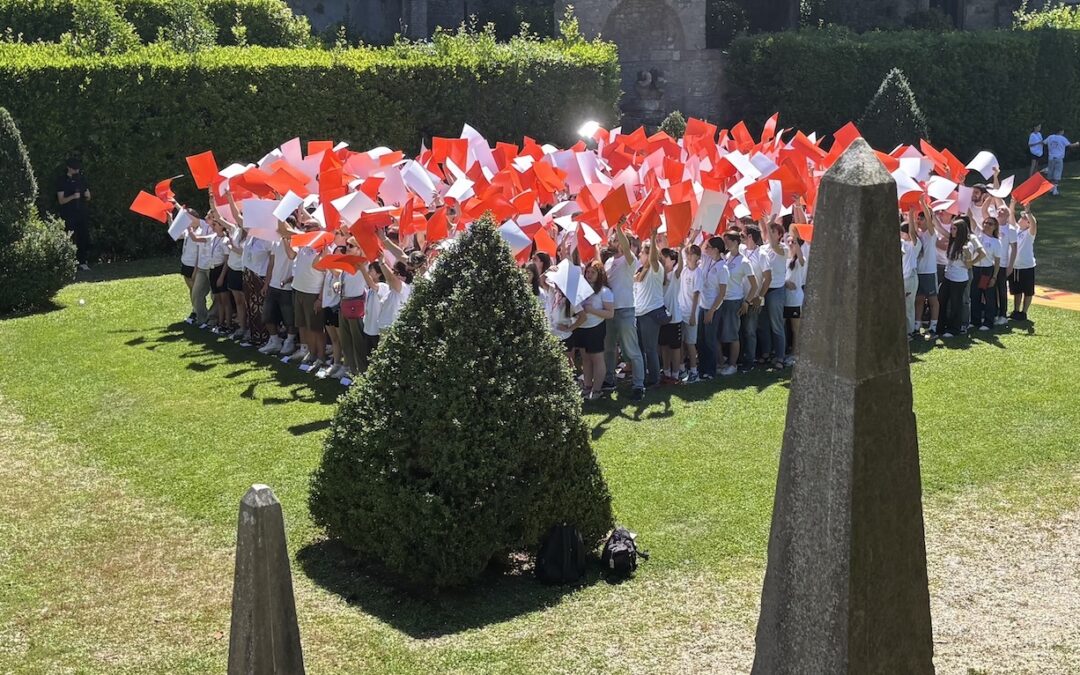
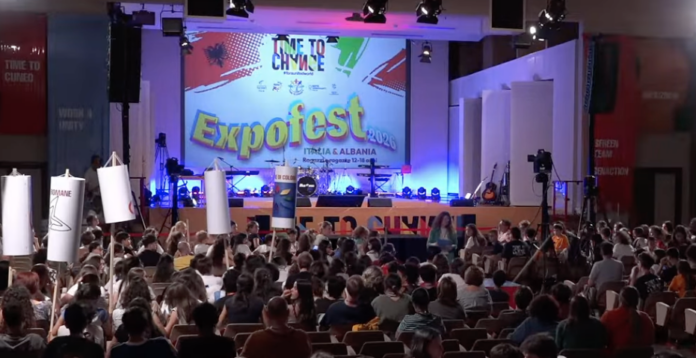
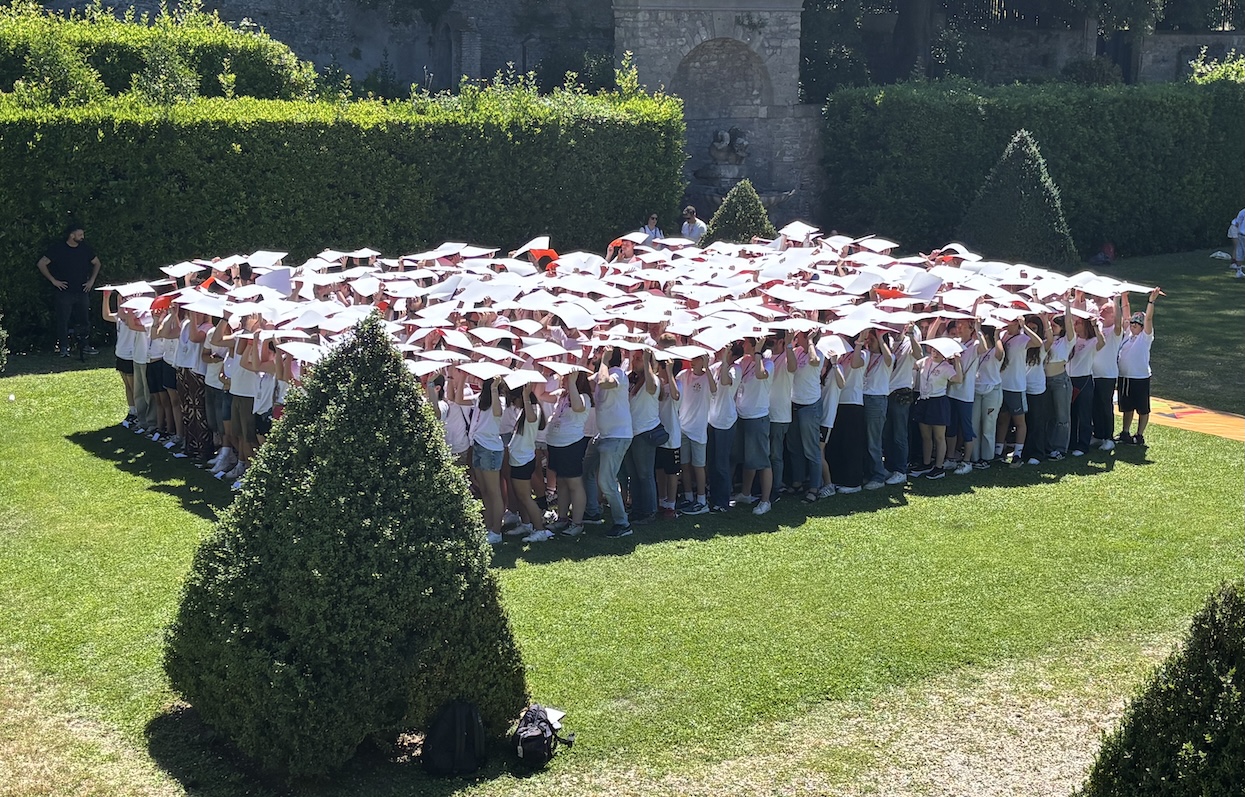
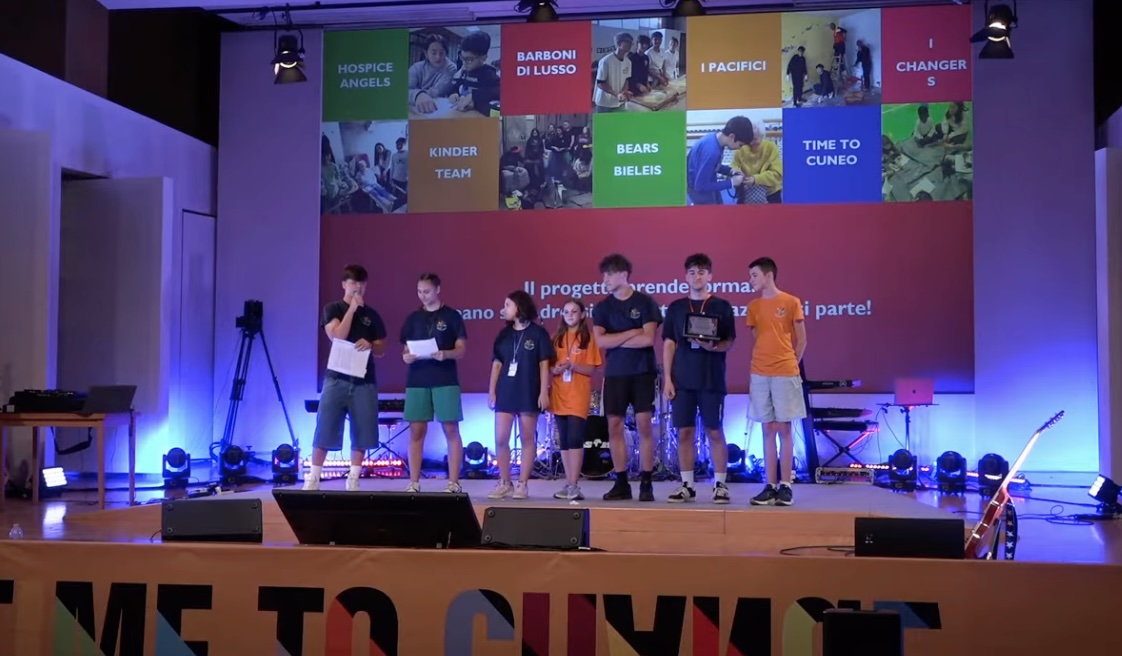
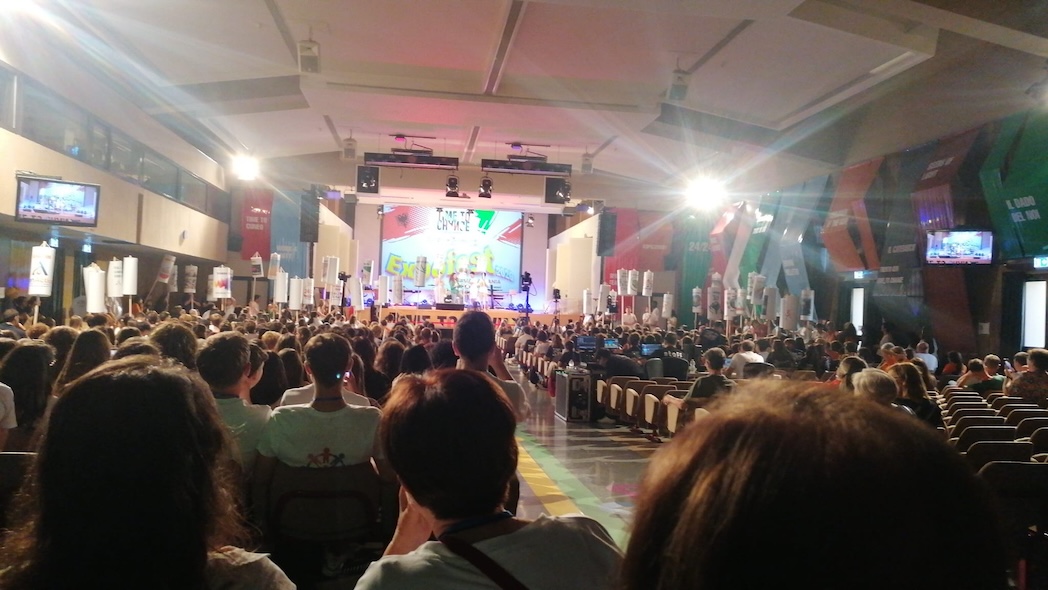
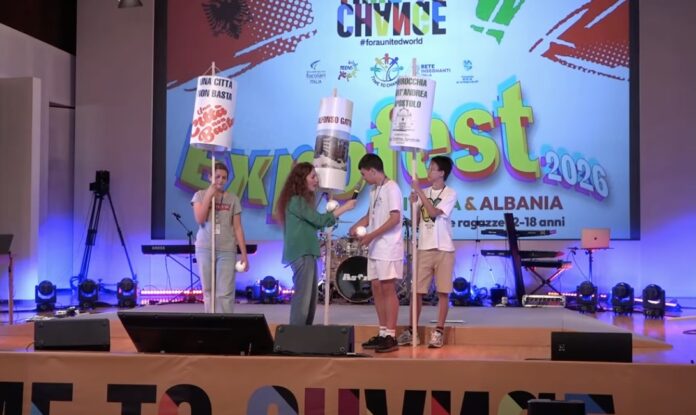
The Expo Fest of Time to Change ended in Castel Gandolfo (Rome, Italy), on 6th-7th June. The programme engaged around 1,300 young people and 105 teams, challenging them to take action through practical projects in solidarity, active citizenship, environmental stewardship, inclusion, and peace for the common good.
Almost 600 youth from 52 teams met. Among the comments collected from participants were: “I have become more aware of my actions and I have paid much more attention to those who find themselves in difficult situations”. “I understand how valuable some friendships are.” “I carry in my heart the beauty of what was born here and the silent strength that these days have generated”. These are some of the impressions gathered from the participants, protagonists of an event that gave voice not only to the 9 finalist teams, but to all the realities involved.
During the event, voting and the final award ceremony took place. The Trent Gen Time to Change team from Trent won first place; Children of the Sun from Taranto ranked second; Time to Change from Milan ranked third. Special prizes were awarded to the teams from Piedmont and Valle d’Aosta, the “Alfonso Gatto” High School in Agropoli and the Albanian team Alboomerang.
Through moments of sharing, personal testimonies, music, dance, discussion, workshops and flash mobs, each group was able to tell their contribution to change. At the heart of the event was a large space dedicated to stories: those of young people who have chosen to step outside themselves to meet others; of schools that have transformed civic education into a concrete experience; of local groups that created afterschool programmes, artistic initiatives, environmental projects and acts of solidarity towards people living in vulnerable situations.
The projects presented demonstrated how change can be lived in everyday life. For example the Alfonso Gatto Linguistic High School in Agropoli (Salerno), carried out a project dedicated to the1948 Universal Declaration of Human Rights. Students engaged people in the street, with questions about fundamental rights, handing out symbolic badges to “friends of human rights” and donating copies of the Declaration to those who wished to know it better.
There were 18 young people from Albania. Through the Time to Change programme they took part in theatre and art activities for children, ecological walks, training sessions and meetings with young people welcomed into family homes. Regjina Paluca explained, “In the community, there are young people between the ages of three and twenty. Some told us that they grew up in a family home: they arrived as children and now attend university. It was very touching for our youth. They saw that those thirty young people all live together in the same house, while they, at the end of the day, would each return to their own home. We will continue this work in the future, because the project is spreading rapidly: young people carry a beauty within them that they want to share with their friends.”
A significant part of the journey focussed on personal vulnerability. The experiences of Edoardo, Francesca and Victoria told of isolation, depression, anxiety, bereavement, exclusion and reconciliation. Their stories showed how suffering can become a place of growth, relationship, renewed faith, and openness to others.
The journey was also inspired by a poem written in 2005 by Margaret Karram, President of the Focolare Movement, who, in front of “the long, high, grey wall” of Jerusalem, ” stretching through the city, dividing neighbourhoods, streets, lands and families”, reflected on the meaning of her life and the divisions of her Holy Land in the light of Jesus crucified and abandoned, hope against all hope.
During the event, Margaret Karram, presented a travelling trophy to the winning team, Trent Gen Time to Change. The trophy will accompany future editions of the project and will be passed each year to the new winning team.
In her brief greeting, she reminded participants that living peace requires courage, and that peace begins with personal change. “The first peace is Jesus,” she said, “who died for us, but He rose to give us peace and to redeem each one of us.”
As one of the participants wrote, Time to Change “does not limit itself to talking about change, but makes it possible”. The wave started by these young people now continues, reaching ever higher.