“Let us give thanks together to the Lord for the great spiritual family that has been born from the charism of Chiara Lubich.” These were the words of Pope Leo XIV to the participants at the General Assembly of the Work of Mary – Focolare Movement, on the 21st of March 2026. As the Pope recalls, Chiara Lubich is widely known for her work as a foundress as well as for her ’spirituality of communion’, thanks in part to her numerous publications. Less well known is the mystical experience that lies at the origin of her Movement and from which she has constantly drawn inspiration. The publication of Paradise ’49 is part of the extensive publishing project of her “Works”. This is being undertaken by the Chiara Lubich Centre and published by Città Nuova, and it is the sixth volume in the series. This book now lifts a veil that had previously been kept reserved, which was the understandable wish of the Author herself. It was over that intense contemplative period that stretched from the 16th of July 1949 to the end of 1951, and it is known precisely as “Paradise ’49”.
Before focusing on the book, let us take a look at the event itself, of which the book is a narrative. On the 16th of July 1949, after attending Mass, Chiara wanted to turn to Jesus and call him by name, but she could not. What she had just experienced had transformed her into Jesus; she could not therefore call herself, and from her lips came the words that Jesus used in his prayer: “Abba, Father”. Later, she wrote: “I seemed to understand that the one who had put upon my lips the word “Father” was the Holy Spirit.” It is not merely a word, it is reality: “in that moment I found myself within the bosom of the Father. … I had, therefore, entered into the Bosom of the Father, which appeared to the eyes of my soul (but it was as if I saw it with my physical eyes) as an abyss that was immense, cosmic. And it was all gold and flames above, below, to the right and to the left.” From the very first moment, the event takes on mystical overtones, comparable to similar experiences lived by other mystics. Yet it also reveals a distinctive feature, stemming above all from its unitive, “collective”, ecclesial dimension.
Before attending Mass, Chiara had made a “pact of unity” with Igino Giordani, a well-known writer, Member of Parliament and father of a family. Together they had asked that it be Jesus, who came through the Eucharist in one of them, to “bring about” unity with Jesus in the other, both of them totally open and receptive to his action, as into an “empty chalice”. And that is what happened: upon her and upon him, having become an “emptiness of love”, only Jesus came and remained. The two had become one Christ. It was a repetition of the Apostle Paul’s experience: “It is no longer I who live, but it is Christ who lives in me” (Galatians 2:20): the two souls had become one soul, that of Christ. It is this one soul that entered the bosom of the Father. The mystical experience that took place did not concern just one person but, first two, then an entire group to whom Chiara communicates what she is experiencing, constantly involving new people in the same experience: “I had the impression of seeing in the Bosom of the Father a small company: it was us.” In the bosom of the Father, life is lived as a single Soul (the capital letter is a constant feature of Chiara’s narrative).
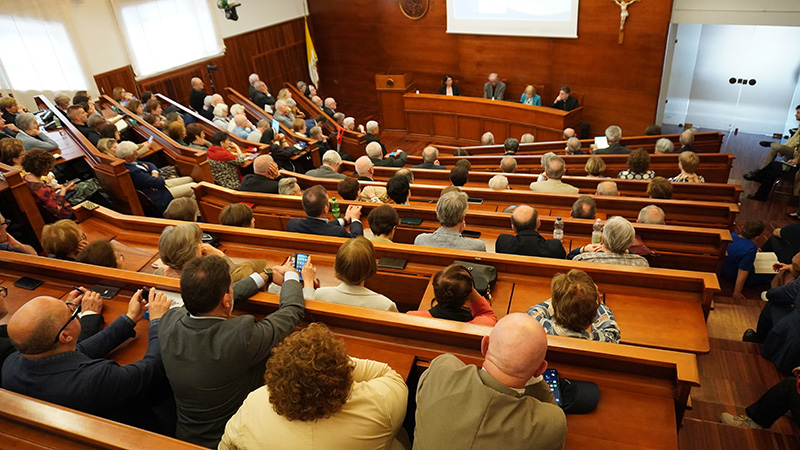
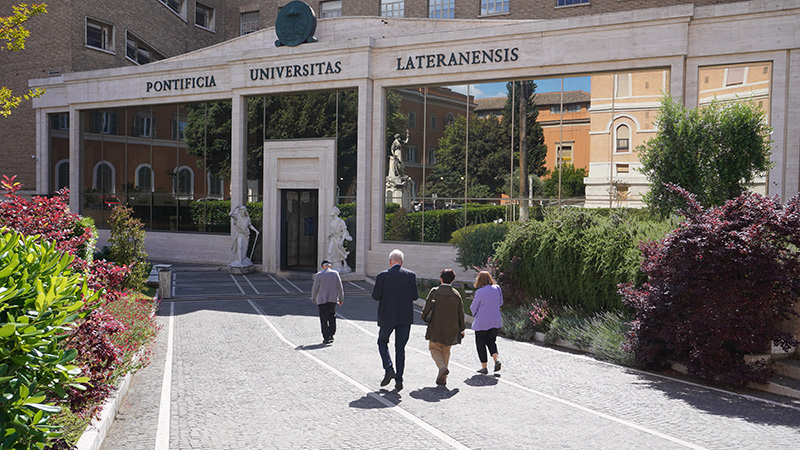
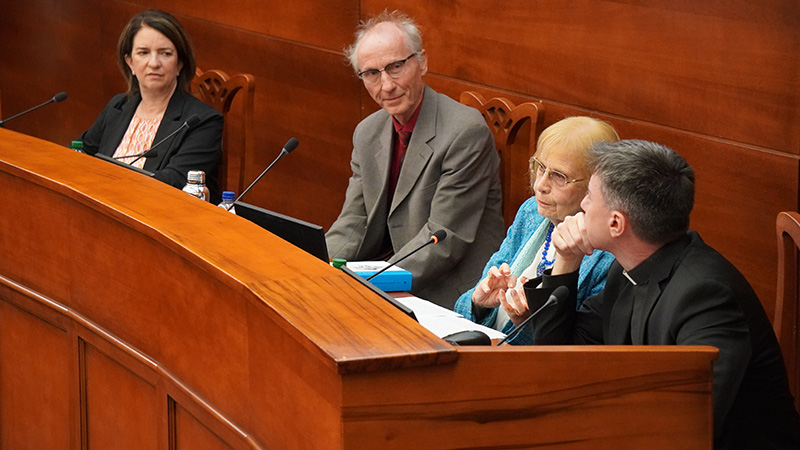
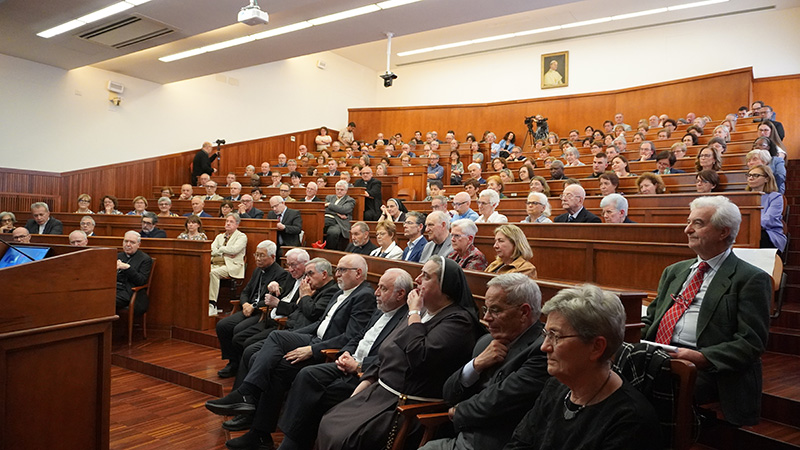
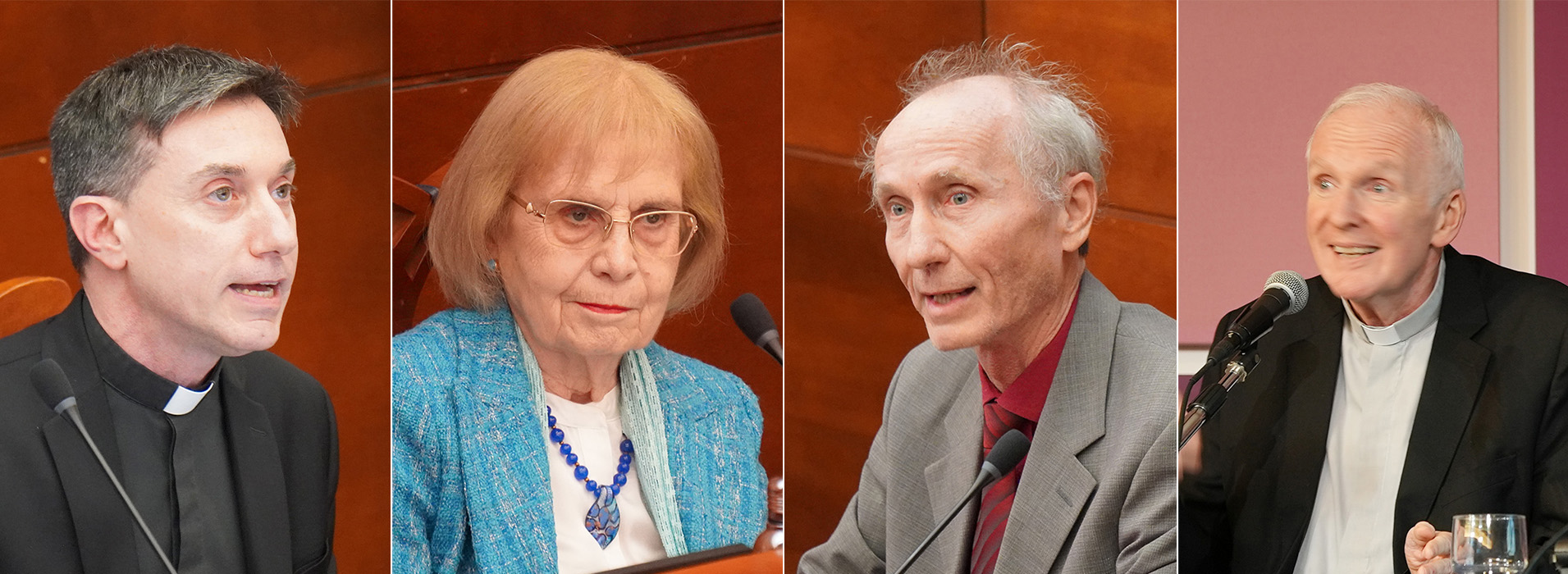
Highlights from the presentation at the Pontifical Lateran University
When, shortly afterwards, the phenomenon of the “mystical marriage” occurs—common to many mystics—it is no longer one person who is “married”, but the entire group that has become a single Soul. From that moment begins what Chiara calls “travelling Paradise”, a sort of honeymoon in which the Spouse shows her the realities of Heaven that now belong to her as well. And here we venture into the contents of what she calls “lights”, “revelations”, “understandings”, the experience and insight of the Revelation, of such intensity that she becomes identified with what she “sees”, almost as if she were coming to know the mysteries of the faith from within. These are insights regarding the Movement that is coming into being, guidelines for a pedagogy of the spirituality of communion, indications that translate into prayer and daily life: “on earth, as it is in Heaven”.
The text is not easy to read, both because of its mystical language—filled with paradoxes, metaphors and contradictions—and, above all, because of the richness of its content. The Author composed this work over a long period of years, practically until the end of her life, selecting and organizing the papers from that period of enlightenment. We are faced with a variety of literary genres: letters, intimate pages in the style of a spiritual diary, notes in preparation for talks, newspaper articles and commentaries on the “Word of Life”, autobiographical and speculative reflections, and even a fable. However, although varied, the experience unfolds as if along a golden thread that follows a divine pedagogy, “a revelation of mysteries as light and sweet as Paradise, as logical and progressive as life”. The publication reproduces the complete text, just as she wished to present it, with her own comments added during the slow process of rereading.
The speakers at the presentation: Alessandro Clemenzia, Dean of the Faculty of Theology of Central Italy; Angela Ales Bello, Professor Emerita of Contemporary Philosophy – Pontifical Lateran University; Stefan Tobler, theologian and Director of the Institute for Ecumenical Research at the “Lucian Blaga” University of Sibiu (Romania); Brendan Leahy, theologian and Bishop of Limerick (Ireland)
There are two introductions, one of a historical nature, by Alba Sgariglia[1], which traces the history and complex composition of the text, and the other of a theological nature, by Piero Coda[2], which highlights the nature of the experience and how it fits into the historical journey of the Church, whilst also revealing its novelty. The book is enriched by a glossary, bibliography, and scriptural and subject indexes.
This is a fundamental text for understanding the charism of Chiara Lubich, which extends beyond her Movement. It is a work destined to form part of the Church’s mystical and doctrinal heritage, capable of speaking to every person, “a legacy to be shared and brought to fruition”, as Piero Coda writes.
How should one read this book? “All these papers I have written,” the Author noted as early as the 25th of July 1949, “are worth nothing if the soul who reads them does not love, is not in God. They have value if it is God who reads them in that soul.” It is a fundamental principle for understanding any work: to place oneself on its same level. To understand Paradise ’49 properly, it is essential to listen sincerely to the experience of its Author and almost to enter with her into that “Paradise” to which the book bears witness. Chiara Lubich was convinced of this. When, on the 22nd of November 2003, she began reading her work again, together with a small circle of scholars whom she had gathered around her, called the “Abba School”, she noted in her text: “This time we are reading it with the aim of converting ourselves, translating it into life. We must ensure that the Abba School becomes Paradise. In fact, only in this way can the contents of these volumes be understood….”
[1] Alba Sgariglia is the director of the Chiara Lubich Centre, a researcher at the Focolare Movement’s Centre for Studies, and a member of the Abbà School in the field of theology and Mariology.
[2] Piero Coda is Secretary General of the International Theological Commission and a professor of Trinitarian Ontology at the “Sophia” University Institute. He was a former President of the Italian Theological Association from 2004 to 2011.
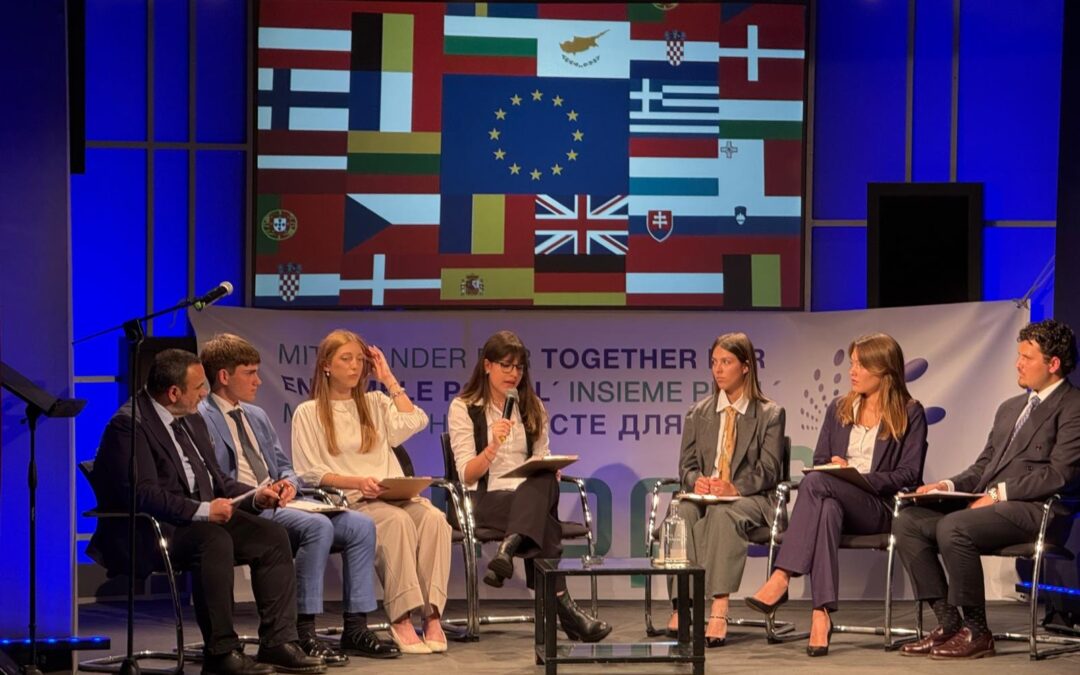
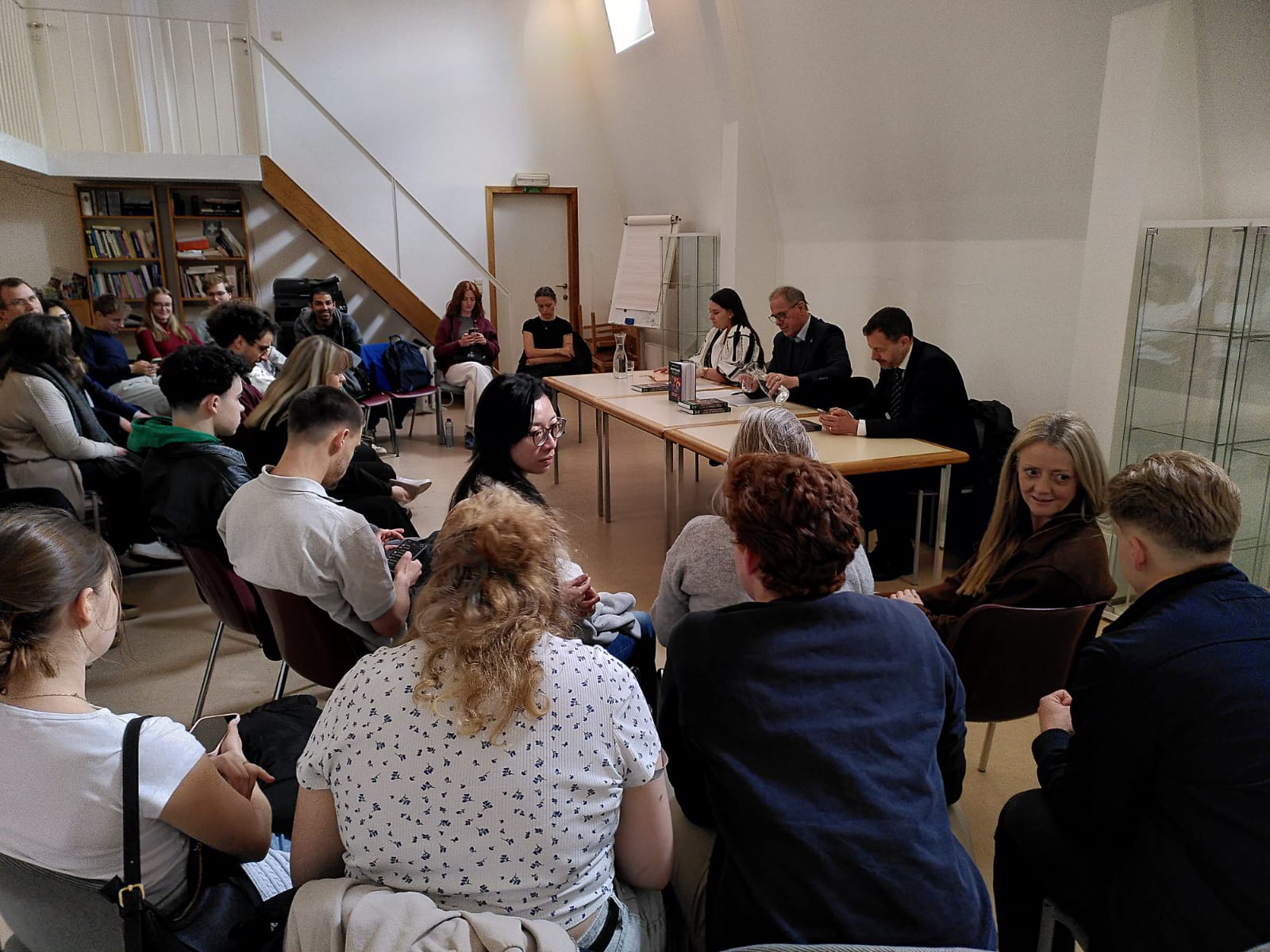
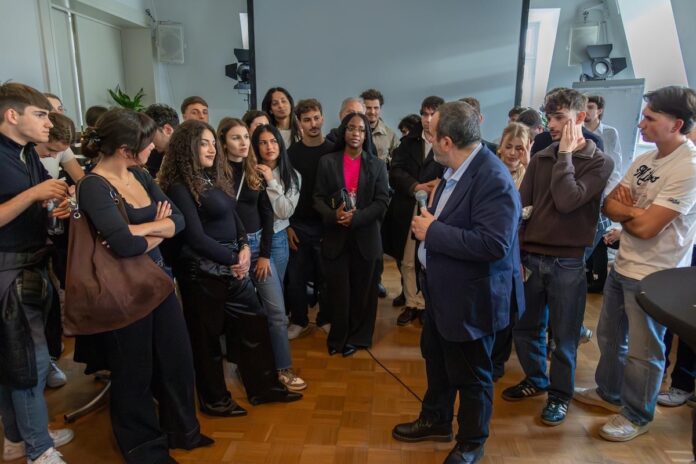
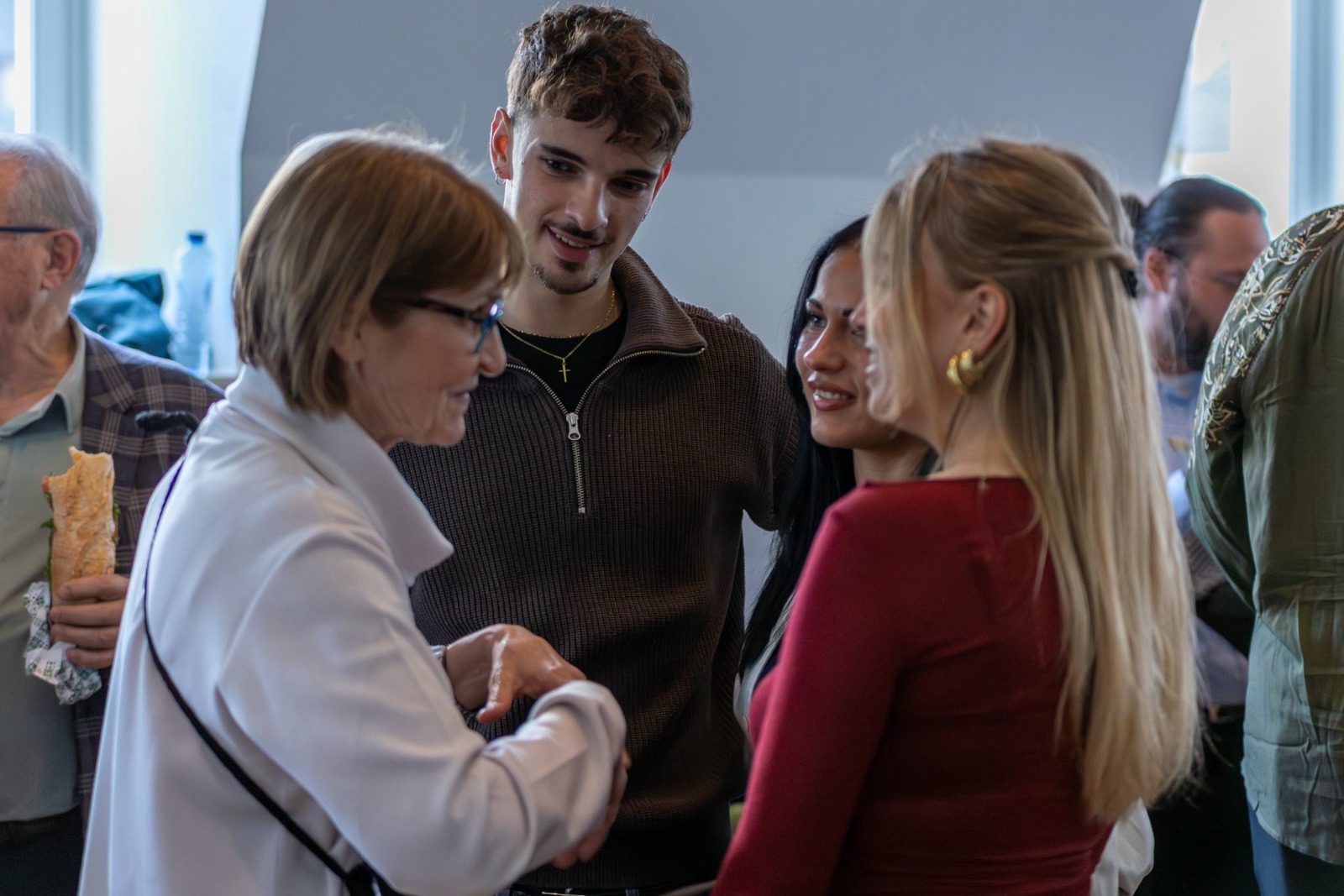
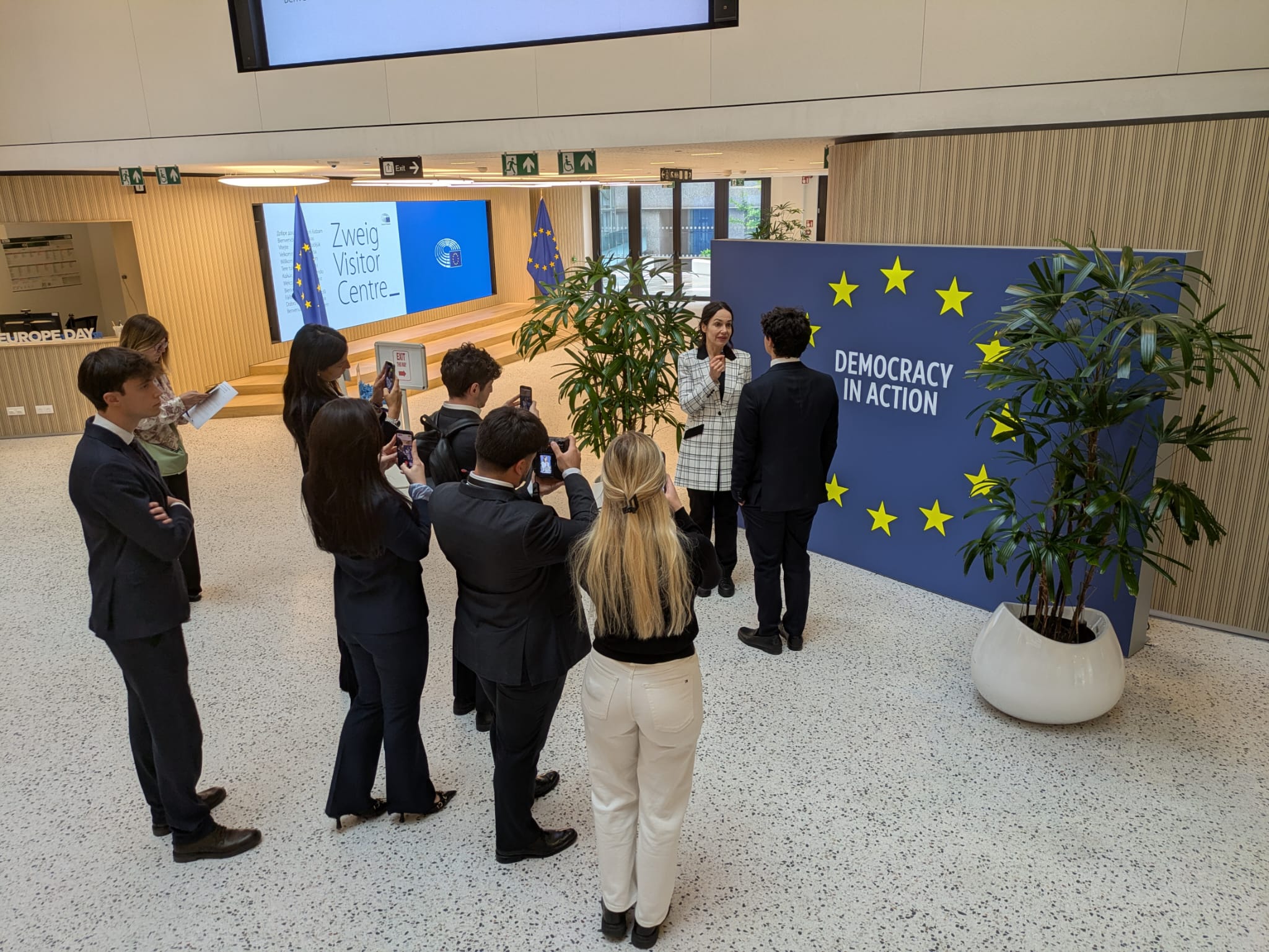
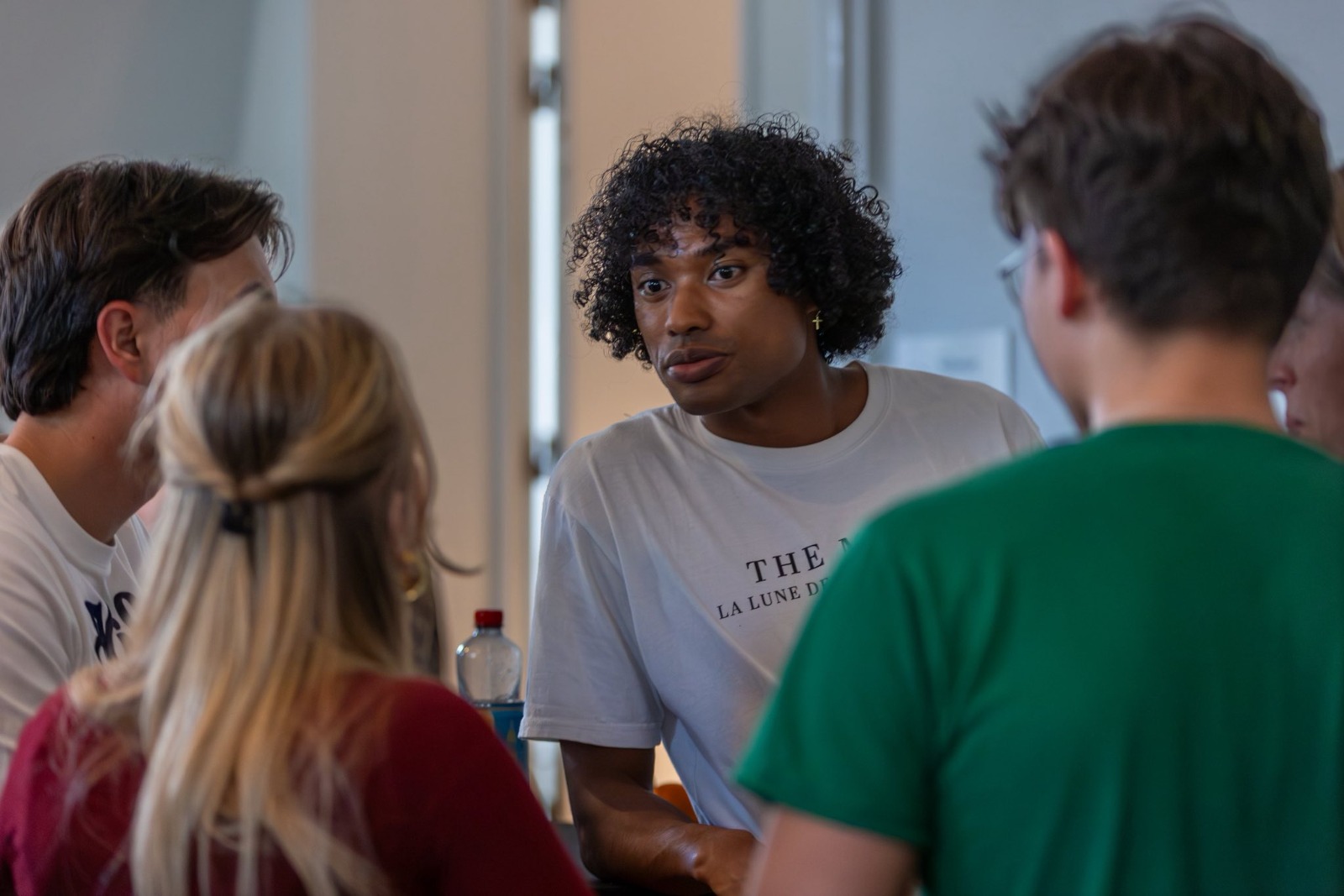
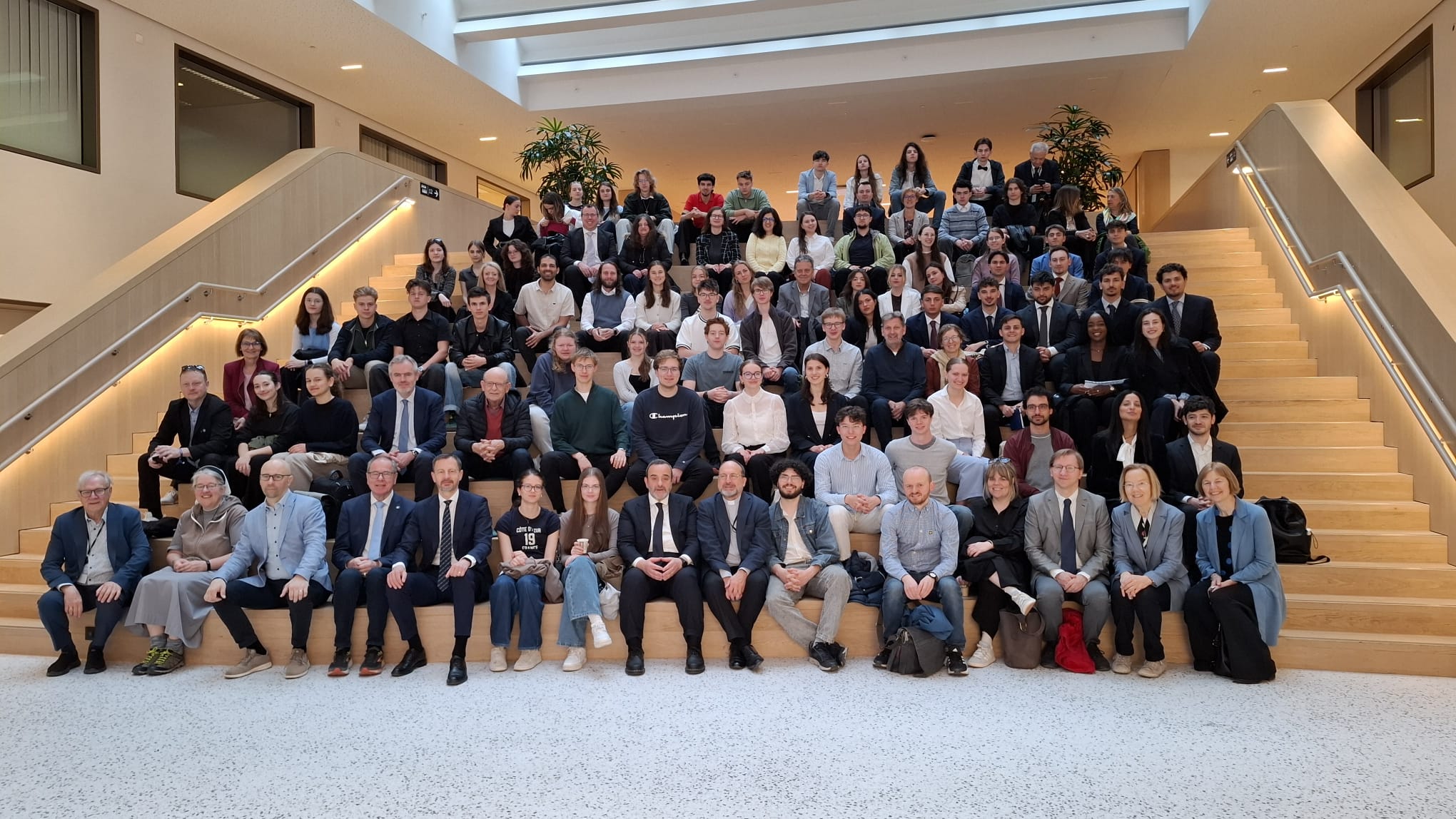
The European Quarter in Brussels is a maze of offices, headquarters and agencies operating in the European Union, whose acronyms sometimes seem like tongue-twisters. Officials and executives, with a serious and professional air, wander around its streets. Walking through them, you hear different languages and encounter unusual customs. Yet, this variety does not give an impression of confusion, because everything is supported by a great sense of order. This calmness was briefly interrupted from 11th-13th May, when a group of about 100 enthusiastic young people moved through the institutions of the European Union, bringing their commitment and passion into it. They were not a school group on a field trip, far from it! They were the young people of Together for Europe, prepared and inspired, who experience Europe not as a goal to be achieved, but as their secure starting point for engaging with the whole world.
With them were several MEPs and other public figures: Andrea Wechsler, Antonella Sberna, Leoluca Orlando, Eduard Heger, Jeff Fountain, Giuseppe Lupo, Miriam Lexmann, Gerhard Pross and Nicole Grochowin. These are distinguished names: should we mention the nations to which they belong? Maybe there’s no need: they were Europeans – adding that they were Italians, Slovaks, Germans, Dutch, Austrians and so on, does little to explain the reasons that led them to meet with young people.
These reasons stem from the current crisis situation, in which it seems there is no longer room for unity between peoples and nations. No one can guarantee peace anymore. In such a context, Together for Europe wanted to show that unity is not an option, but rather the very thread running through the historical development of the peoples of Europe. And if today that thread seems buried under the rubble of ongoing conflicts, Together for Europe sets itself the task of bringing it back to light, offering its experience of collaboration among Christians as a way to rebuild the European structure on the foundations of unity. All together: members of different Churches, citizens of different countries and, above all, people of different generations. Young people, adults and the elderly all inhabit this fractured present and only by coming together can its contradictions be resolved. The challenge, therefore, is also intergenerational. This is why the young people of Together for Europe wanted to present an “Intergenerational Pact” to the MEPs and personalities, in which they set out their shared commitment to work for a Europe that is a kiln of peace and solidarity.
Where did the 100 young participants come from? As well as Europeans (here too, it matters little that they were Finnish, Swedish, Dutch, German, Belgian, Scottish, Slovak, Austrian, Hungarian, Romanian and Italian) there were Americans, Colombians, South Africans, Chinese, Canadians, Brazilians and Mexicans. Because Europe does not exist for itself alone, since its vocation is to unfold on a global level, offering its heritage of values shaped by Christianity, lived through ecumenical dialogue and amplified by the clear-sighted projects of the young people of Together for Europe.
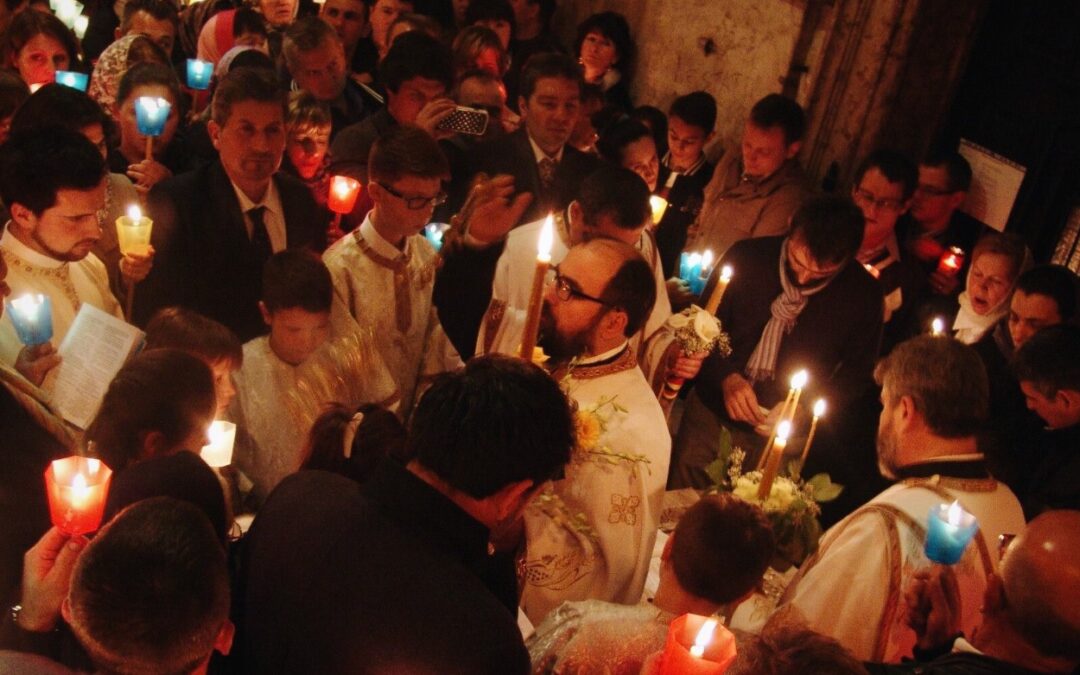
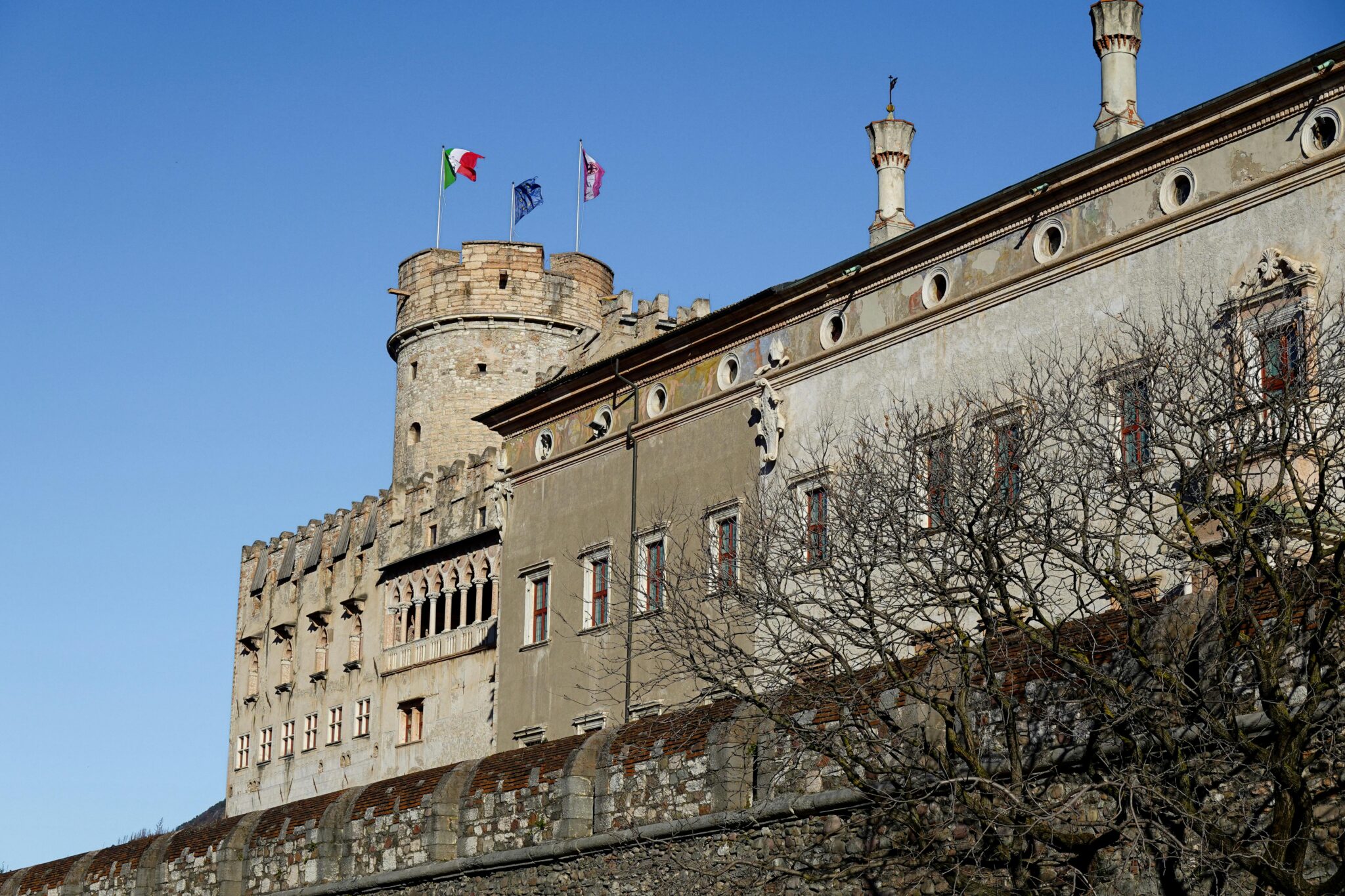
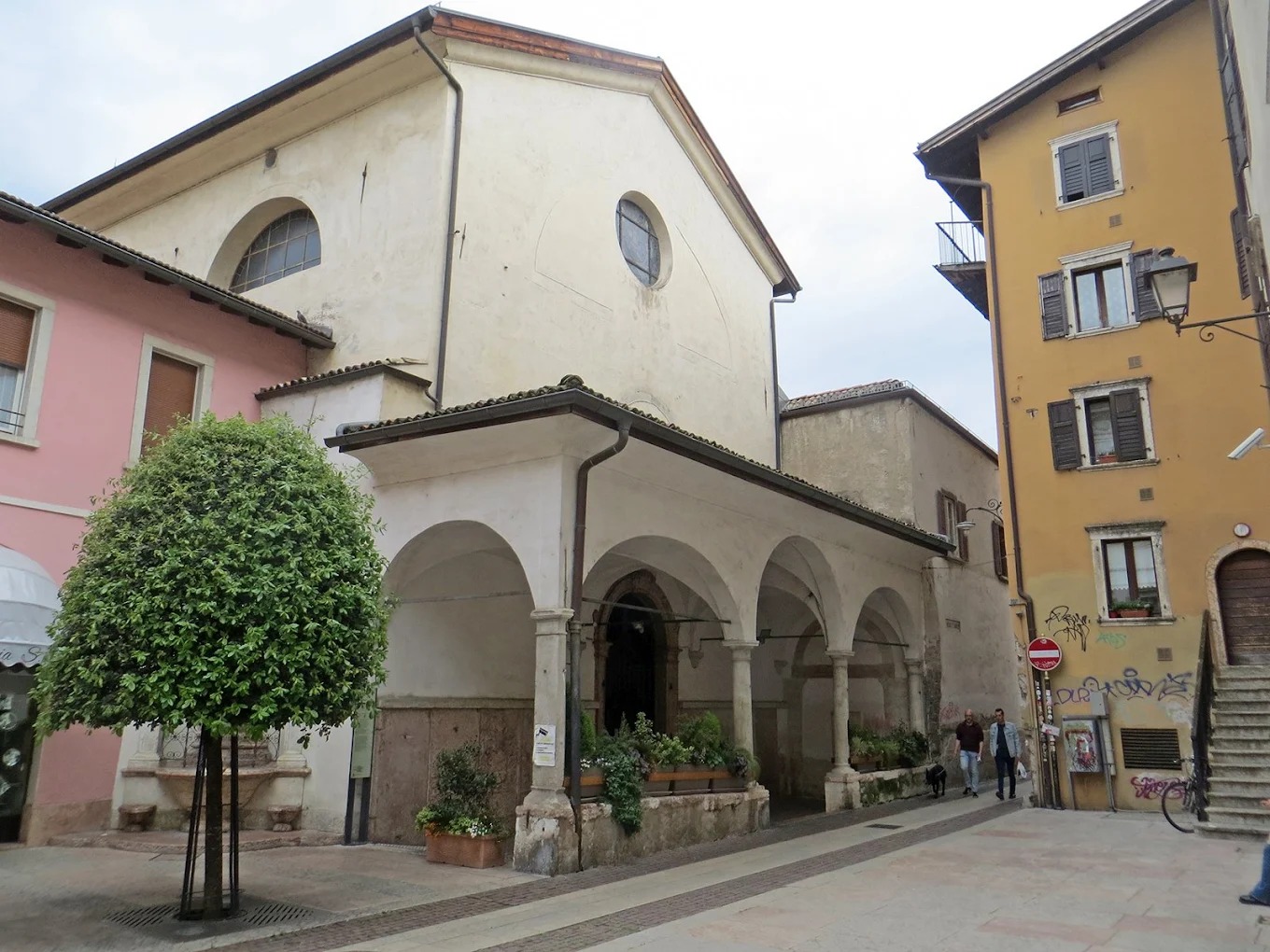
My name is Sarra Marta Lupășteanu, I am nineteen years old and I was born in Trent (Italy).Every time I say this sentence I realize how much my story weaves together places, cultures and beliefs that often do not meet easily.I am an Italian-Romanian girl and above all I am Orthodox, daughter of Father Ioan, priest of the Romanian church here in the city, and of Presbytera Delia Rodica. Our church is located in Via San Marco, in the heart of the historic center: a small Romanian world nestled between the Castle of Buonconsiglio, streets and houses that tell of centuries of Trentine Catholicism.
Growing up here has meant living naturally with the awareness of being a minority. Not a closed or isolated minority, but a different presence, which often requires explanation. When my classmates asked me why at Easter we follow a different calendar or why there are so many icons in our church, I understood that my daily life and theirs did not completely coincide. Yet, I have never felt divided: Catholics and Orthodox believe in the same God, only with different traditions, rites and sensitivities. This is the source of a reflection that stays in my heart: we need dialogue between communities but also good will, because understanding does not come by itself, we must want it.
I study Philosophy at the University of Trento and this choice has increased my ability to observe and understand what I experience. Entering a university environment, where identities mix and sometimes clash, made me reflect even more on what it means to belong to a denomination perceived as “other” compared to that of the majority.
Castillo del Buen ConsejoChiesa di San Marco
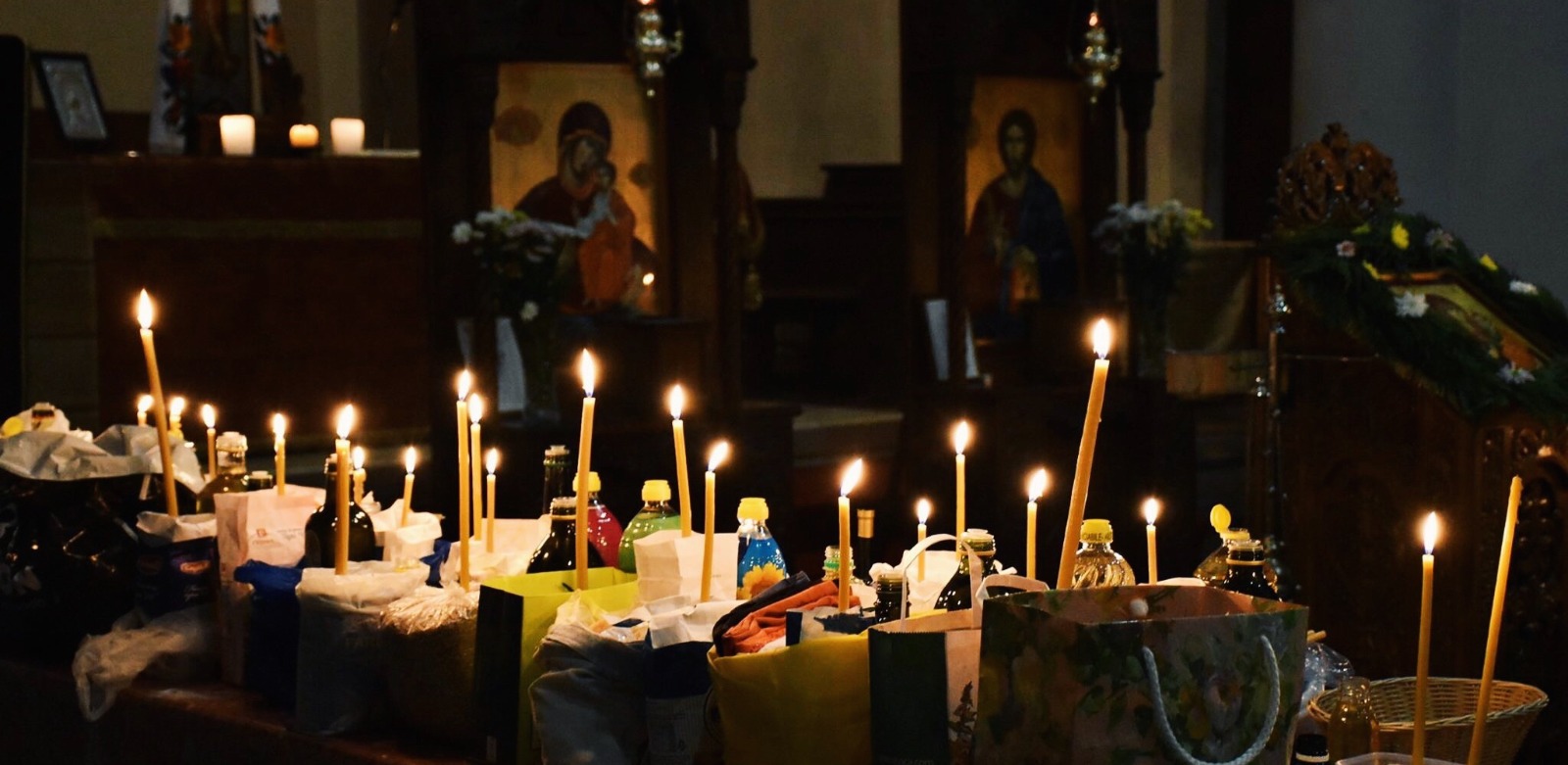
Sometimes I feel as if I am walking on a bridge: on one side, my Orthodox community, with its roots, its songs and traditions that I have absorbed since childhood; on the other, the Trentino society in which I was born, studied and grew up and which, for the last two years, has become my official homeland after obtaining Italian citizenship. I speak Romanian, I know the traditions of my country of origin and my family has taught me to preserve them, but I am also a girl deeply connected to Trent, to its rhythms and its customs. When I enter our church in Via San Marco I feel enveloped by a familiarity that no other place gives me: the golden icons, the voices of the choir during the Liturgy, the community that greets my father calling him “Părinte“. Yet, this difference never made me feel like a stranger. On the contrary, it taught me to look at the world from multiple points of view. In a city with a strong Catholic tradition, the presence of other Christian denominations shows that faith can be plural without losing its truth.
Today, as a young girl building her own future, I know that my identity comes from the meeting of two dimensions, it is a lens through which I read myself and the world. It is the awareness that roots do not prevent you from growing elsewhere. I am a “bridge” and now I am no longer afraid of being suspended: it is right there, between two shores, that I have learned to dwell. And in this space I have discovered my most authentic freedom: to be able to carry both worlds with me without having to choose, allowing them to dialogue, complete one another and make me whole: rooted and still journeying, with my heart open to the future.
by Sarra Marta Lupășteanu Article published in the magazine of the Parishes of Saints Peter and Paul and St. Martin in Trent December 2025 Foto: Chiesa romena di Trento – e Magda Ehlers by Pexels
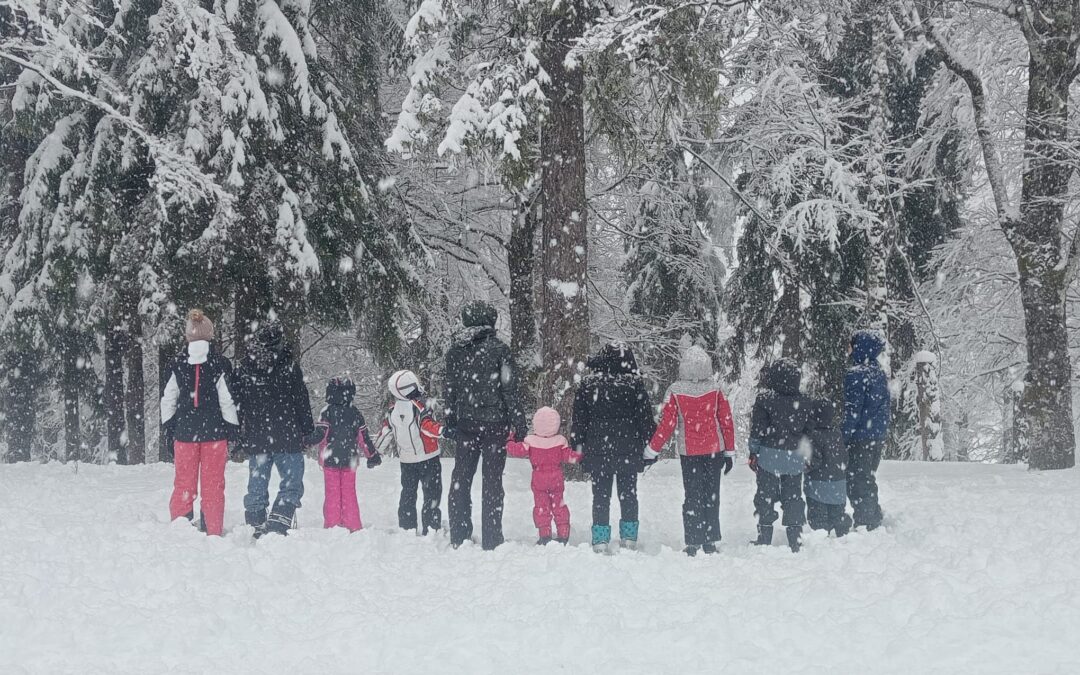
From the rubble of war to the wonder of snow: this was the journey of a group of children from Gaza, welcomed to the Veneto region of Italy, thanks to the Padua Embrace Children and Civil Protection association. For many of them, marked by deep wounds in both body and soul, the day spent in Val Saisera, in Northeast Italy, was a rare moment of lightheartedness.
The day, organized by the Associazione Famiglie Nuove del Friuli Venezia Giulia (New Families Association of Friuli Venezia Giulia), was attended by about forty people, mostly women and children. It was a simple event, yet full of meaning: playing in the snow, laughter, tobogganing and a spirit of togetherness that allowed the memories of the war to fade into the background at least for a few hours. On that Sunday in January, the long-awaited snow came almost as a sign of welcome, as if to respond to the children’s desire to be able to see it for the first time.
Many of these children arrived in Italy in 2025 thanks to a humanitarian corridor activated to provide urgent medical care. They included young amputees, children injured by explosions, or suffering from illnesses impossible to treat in a land devastated by conflict. Their families have painful stories: mourning, forced separations and arduous absences. Yet, alongside the suffering emerges an extraordinary capacity for resilience. Nothing captured the spirit of the day quite like the nine-year-old girl who, despite having lost both legs, was all smiles and laughter on the toboggan, eventually finding the strength to join the other girls in a dance.
Imam Kamel Layachi, imam of the Muslim communities of Veneto, who encouraged collaboration between Muslim and Catholic communities was a focal point for the various groups involved. Parishes, associations and volunteers joined forces to offer not only assistance, but also opportunities for integration. The children are already attending school and the mothers are taking Italian courses, in view of a stay that could become longer and open up to employment opportunities.
At the same time, the health needs are urgent, in particular for prosthetic limbs not covered by the National Health Service. For this reason, fund raising initiatives have been launched, with the aim of restoring autonomy and dignity to those who have lost a limb.
The day on the snow ended in Tarvisio (Italy). Welcomed by a group of New Families from the region, by the volunteers of the Friulclown association, by Don Giuseppe Marano, the parish priest of Valbruna and by the tea and biscuits offered by the Alpini – the group moved indoors for lunch (prepared by the Muslim community of the city of Udine) in the parish hall. A shared lunch and a moment of common prayer brought things to a clos. It was a simple but powerful gesture, which united different cultures and faiths under the sign of fraternity. The words of Palestinian families tell better than anything else the meaning of the experience: gratitude, emotion, relief. One mother wrote, “You have allowed happiness to touch our hearts again”.
The Italian volunteers also received much in return: in the eyes of those children they saw pain and joy, fragility and strength and the awareness that, even with small gestures, it is possible to rebuild fragments of humanity. In a world marked by conflict, that day on the snow represented a small, but authentic, space of peace.
From a story by Friuli (Italy) New Families Photo: FN Friuli
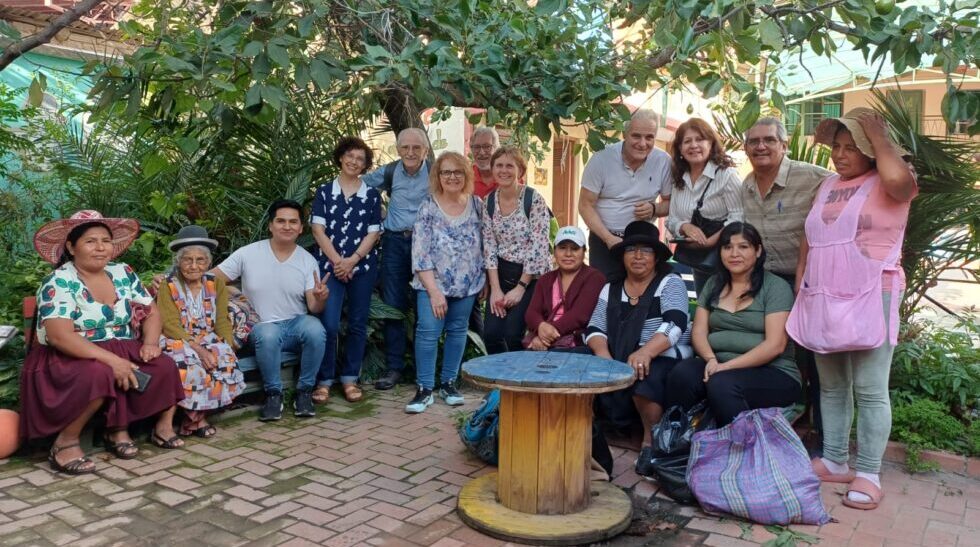
Azione Famiglie Nuove (New Families’ Action) is an international non-profit organization of the Focolare Movement that works for the free and integral development of every person, community and nation, starting with the most fragile and disadvantaged in the world. Since 2005 it has also been officially authorised by the Italian Presidency of the Council of Ministers for International Adoptions. Two couples from Vicenza (Italy), Redi and Giacomo and Annalisa and Sergio, are part of this project. Recently they were able to fulfil a long held desire: to meet reunite with some Bolivian families they had met during an AFN Conference in Castel Gandolfo (Rome). From that meeting a simple and authentic bond was born, which no one imagined would continue until it transformed, years later, into a new meeting on the other side of the world.
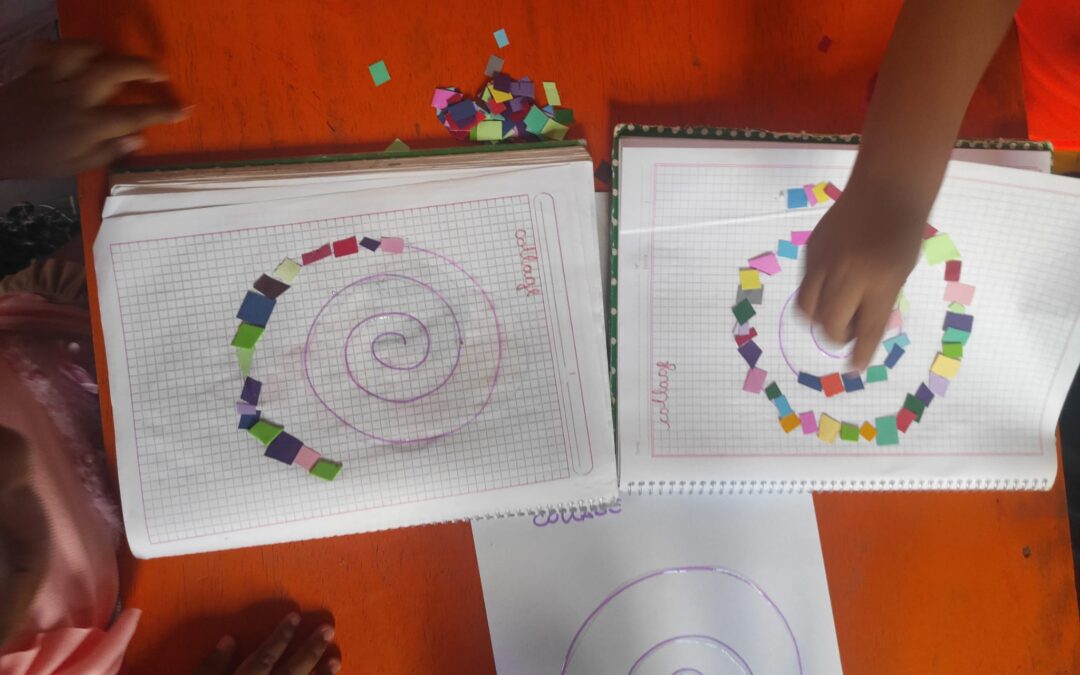
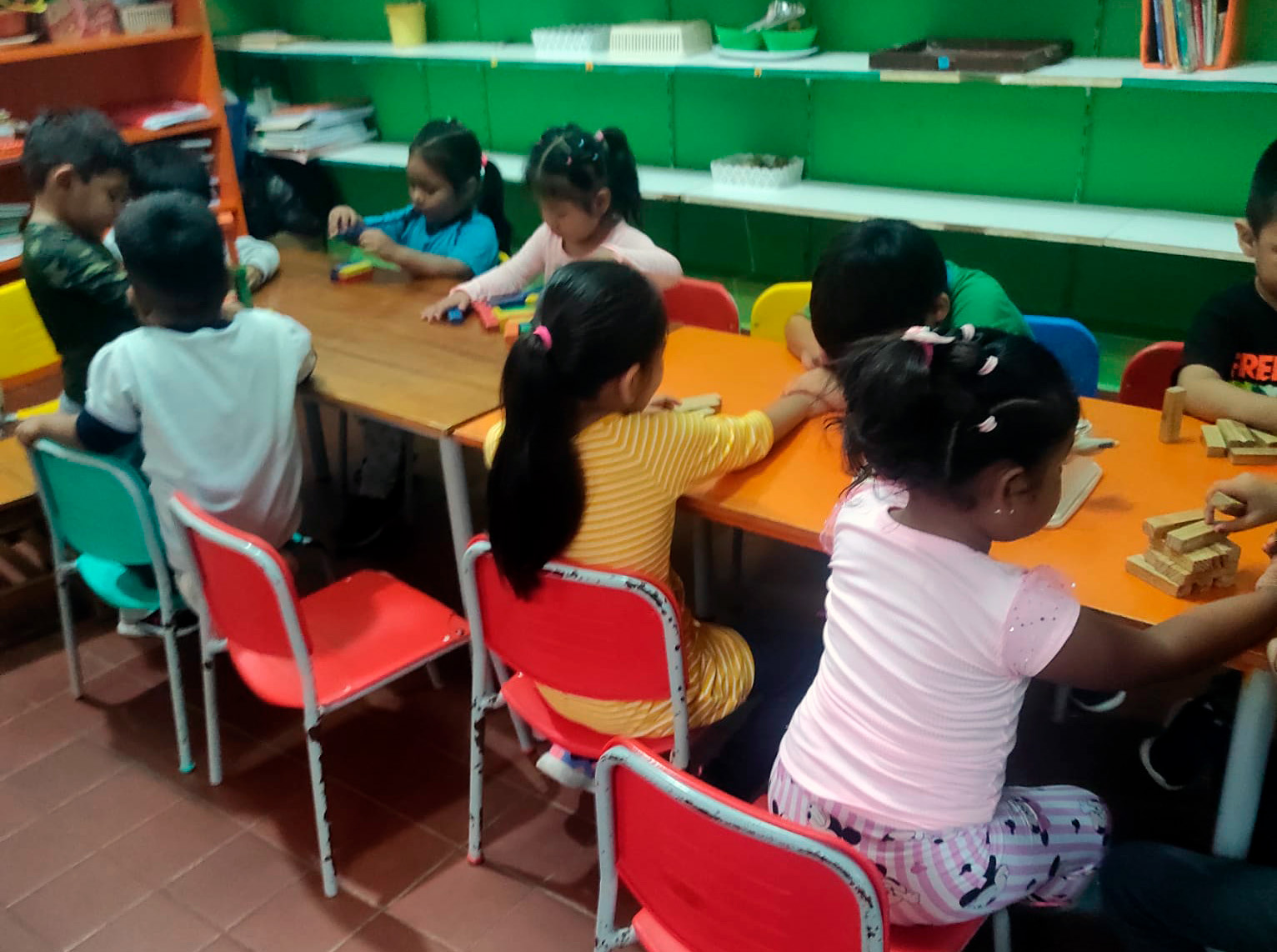
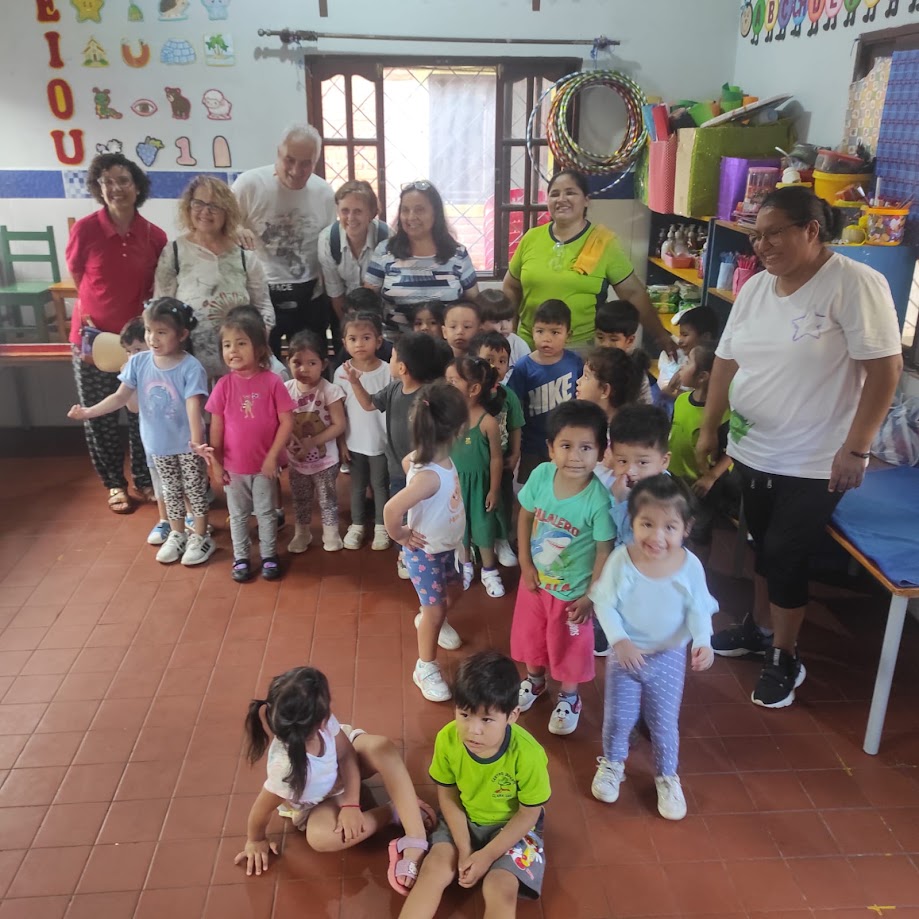
While there, the two Italian couples were also able to visit the AFN project in Bolivia: the “Clara Luz“ children’s centre in Santa Cruz and the “Rincón de Luz“ social centre in Cochabamba. In Santa Cruz, in the La Guardia district, the “Clara Luz” centre welcomes young children and preschoolers every day. “The classrooms are simple, but well cared for and welcoming,” they explained. “Here children find a safe educational environment, while older siblings receive school support”. Around them, a wider programme involves families: home gardens, small livestock projects and training courses that help build autonomy and dignity. The “Clara Luz” centre also hosts young volunteers from the “Milonga Project“.
Centre “Clara Luz” (Santa Cruz, Bolivia)
In Cochabamba, the “Rincón de Luz” centre is a point of reference for the community. “It is a place that welcomes and supports families in their daily lives,” said the two visiting couples. “Food parcels are distributed every week, while workshops and educational activities for children and parents take place throughout the year.”
During the visit, they were very touched by the meeting with Reina, who shared the origins of the project and how, having returned to Bolivia after a period of formation as a family in Loppiano (FI, Italy), she had felt a strong desire to put the ideal of Chiara Lubich, into concrete action. Involving her entire family, children, daughter-in-law, husband, she began to welcome by welcoming a dozen children into her own home. From there, step by step, the project has grown and developed to reach about 150 children, though there is a lot of need for support.
Many local families live in situations of great vulnerability: poverty, loneliness, bereavement and hardship. Particularly striking was the story of a grandmother who caring for her invalid husband and her orphaned granddaughter: “Every day she walks many kilometres searching for food and whenever she can, she comes to the centre for find help”.
Center “Rincón de Luz”(Cochabamba, Bolivia)
Among the people met was Silvio, one of the first children welcomed by the project. Today he is an active part of the “Rincón de Luz” community: he accompanies families with such sensitivity, distributes aid and puts his time at the service of others. You can feel that this place has truly become his home. The trip proved to be a very strong experience, allowing them to “touch” not only poverty, but also the dignity and reciprocity between the people of the community. “We thought we were bringing something – they said – but we received far more in return”.
From this experience came the desire to continue this friendship at a distance: “We have realized that what is really needed is a constant drop and we are already imagining new initiatives to involve others, a solidarity dinner, moments of sharing to make the project known, all ways to expand the family experience between families, where the geographical distance I lessened and gives way to a deep and authentic friendship”.