At the traffic light Once a week I take a trip from my town to a larger city to meet with friends with whom I share the same ideals. I try to take extra money with me to help people who ask for alms at traffic lights. Last week, on my way home, I stopped at a red light and was approached by a young man ready to clean my windshield. I rolled down my window and while looking for money to give him I told him not to clean it because he would not make it before the light turned green.
He looked at me and said, “Can you give me a little more? I need to buy some chicken for my children.” I answered yes. In fact what I was giving him was not going to do him much good. He took the money and said, “Will you let me earn it? I promise I will do it quickly.”
Almost without waiting for my response, he started cleaning the windshield, finishing just before the traffic light turned green. Immediately afterwards he approached the window of the car and, with a happy face, shaking my hand, thanked me and wished me well. As I drove home, I thought about what had happened and realized that small gestures sometimes edify us and teach us more about ourselves than the people for whom we do them. I know that God is everywhere, but it never occurred to me that He was waiting for me at a traffic light. (S. Z. – Argentina)
In prison For dealing drugs I had ended up in juvenile detention, but where I continued to receive visits from Valerio, my teacher from when I was in school. And that could not leave me indifferent. In life, I had been involved with bad people who I thought were my friends, but not with Valerio: he loved me without any interest. Moreover, he would tell me stories of other boys, who had made a different choice from mine, gospel facts. One day a new “guest” arrived in my cell: a boy so dirty he was smelly. The cellmates began insulting him, spitting on him, intimidating him to go wash up. Since he had no soap, no towel, and no spare clothes, I intervened in his defense and gave him my clothes, soap, and towel. He went to take a shower and peace returned. This experience was the beginning of a turning point. I thought that because of everything I had done, love had disappeared inside me. Instead it was like a seed that, more alive than ever, was beginning to blossom. (T. – Italy)
Edited by Maria Grazia Berretta
(taken from The Gospel of the Day, Città Nuova, year X- no.1 May-June 2024)
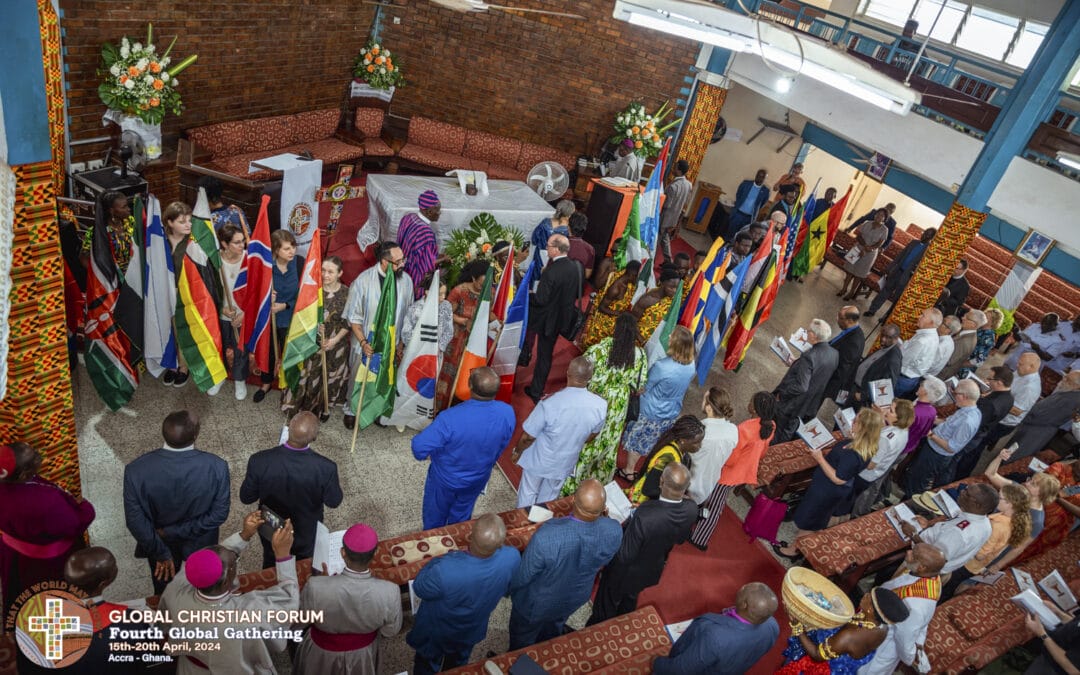
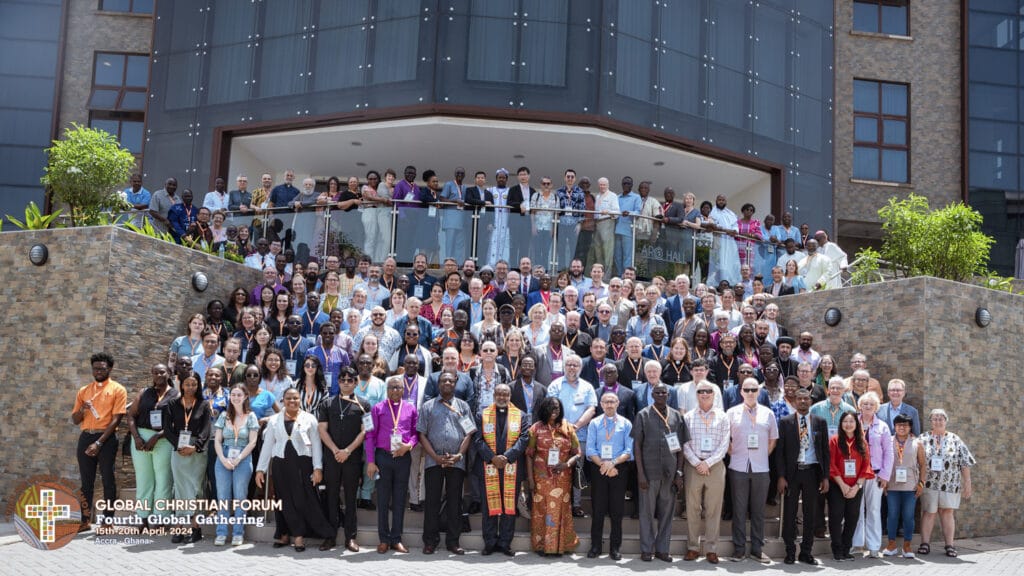
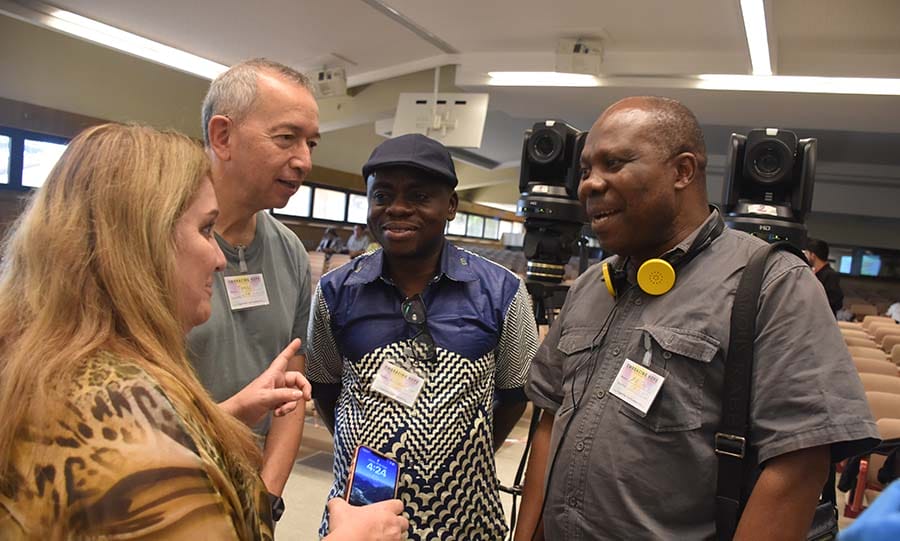
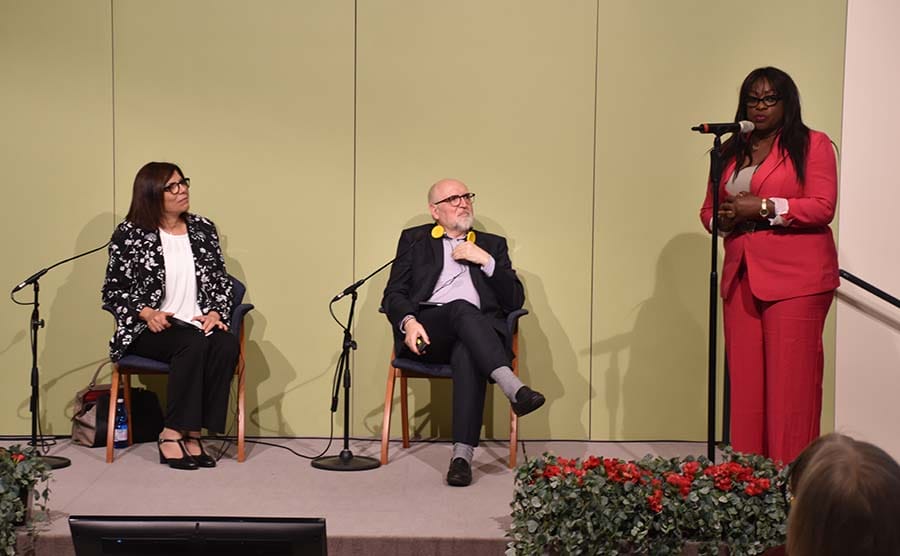
The fourth international six-year meeting of the Global Christian Forum took place in April in Accra, the capital of Ghana, bringing together about 250 people from over 50 countries, representatives of various Churches and global ecclesial networks and organizations.
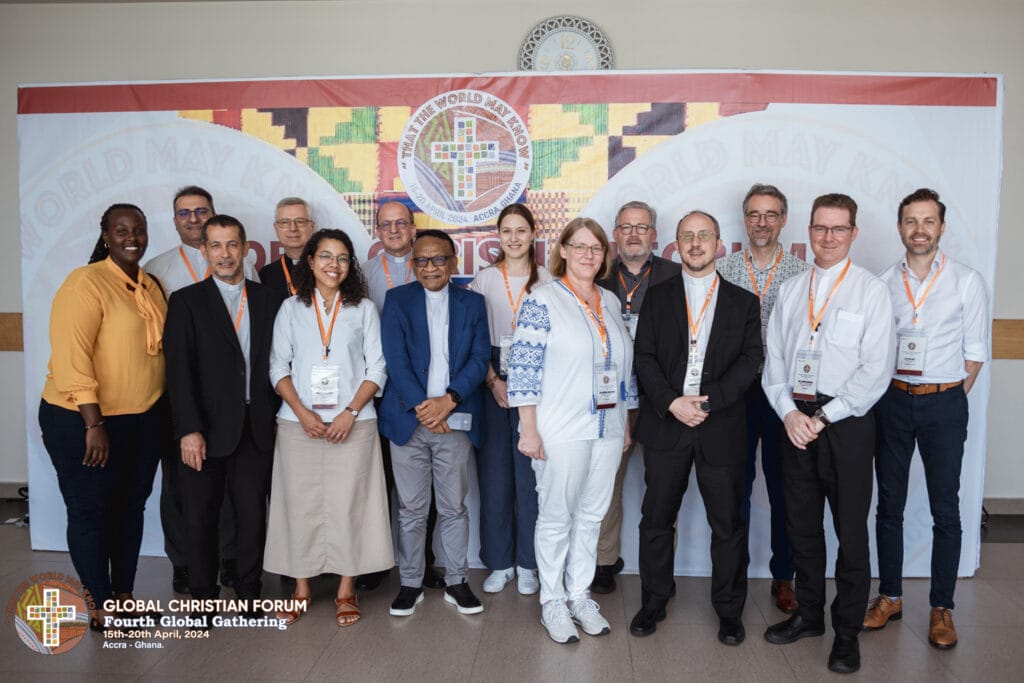
The event is always held in a different city and on a different continent. Four members of the Focolare Movement attended the event in Ghana.
Alongside the World Council of Churches (WCC), the Global Christian Forum is perhaps the only other platform through which unity among the Churches is promoted on a global scale. Founded in 1998, it aims to promote dialogue with the vast world of Pentecostal Churches and ‘Free Churches’, most of which are not affiliated with the WCC. The approach has been and remains a dialogue “of the heart” rather than a theological dialogue. As the current Secretary General, Casely Essamuah, of Ghanaian origin, explained in Ghana: “It is a space for a profound encounter of faith. This is how we learn to discover the richness of Christ”.
Central to these meetings is the exchange of personal ’faith stories’ in small groups which was a significant feature in Accra. Bishop Rosemarie Wenner, representative of the Methodist Church at the WCC explained, “Seeing Christ in others is the goal of this exercise. Letting the Holy Spirit guide our words and listening carefully to the stories of others.” This truly gives rise to a spiritual friendship and a fraternal unity that generates great joy among all”.
The theme chosen for the meeting was “That they may all be one, so that the world may believe” (Jn. 17:20). Billy Wilson, president of the Pentecostal World Fellowship, highlighted three aspects of this unity: it is above all relational; it is realized in the mission: “so that the world may know and believe” and it is spiritual, like the relationships between the persons of the Trinity.
This gathering in Ghana was an experience of great spiritual richness, reflecting an image of the Church of the future that is already being realized through such encounters.
Violence, hatred, and bitter disputes are often present even in those countries that live “in peace”. Every people, every person feels a deep yearning for peace, for harmony, for unity. Yet, despite our efforts and goodwill, after millennia of history we are still incapable of achieving a stable and lasting peace. Jesus came to bring us peace, a peace – he tells us – that is not like the peace “the world gives”, because it is not only the absence of war, fighting, divisions and trauma. “His” peace is also this, but it is much more: it is the fullness of life and joy, it is the integral salvation of the person, it is freedom, it is fraternity in loving all peoples. And what did Jesus do to give us “his” peace? He paid for it himself. It was while he was promising us peace that he was betrayed by one of his friends, delivered into the hands of his enemies, condemned to a cruel and humiliating death. He put himself in between the opposing parties, took on the burden of all the hatred and division, broke down the walls that separated nations. By dying on the cross, after experiencing the abandonment by the Father out of love for us, he reunited human beings with God and among themselves, thus bringing about one universal family on earth. Building peace demands of us the same powerful love, a love capable of loving even those who don’t return our love, a love able to forgive, to see beyond the label “enemy”, to love the other person’s country as our own.
Peace begins with the relationship I am able to establish with each of my neighbours. “Evil originates in the human heart,” wrote Igino Giordani. And he added, “To remove the danger of war we need to remove the spirit of aggression, exploitation and egoism that are the cause of wars. We need to reconstruct a conscience”. … The world will change if we change. Of course we have to work, each of us doing whatever we can to resolve conflicts and to make laws that foster peaceful co-existence within communities and among nations. But above all, by underlining all that unites us, we will contribute to the creation of a mentality of peace and be able to work together for the good of humanity. We should bear witness to authentic values and spread attitudes of tolerance, respect, patience, forgiveness and understanding. As these increase, other approaches opposed to peace will gradually disappear. This was our experience during the Second World War, when there were just a few of us young women and we decided to live only to love. We were young and fearful, but as soon as we made the effort to live for each other, to help others, starting with those most in need, to serve them even if it meant risking our own lives, everything changed. A new strength was generated in our hearts and we saw society begin to change its appearance: a small Christian community came to life that became the seed of a “civilisation of love”. It is love that, in the end, wins out because love is stronger than anything else.
Chiara Lubich
(Chiara Lubich, Parole di Vita, Città Nuova, 2017, p. 709/12)
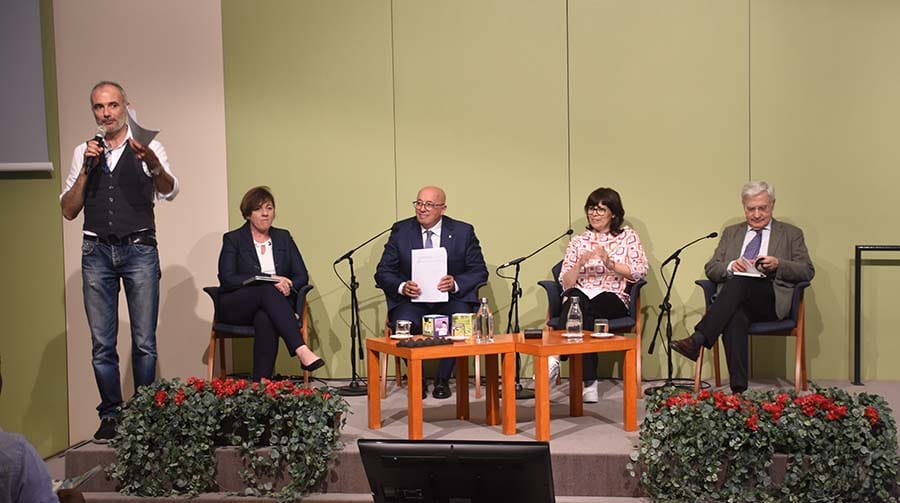
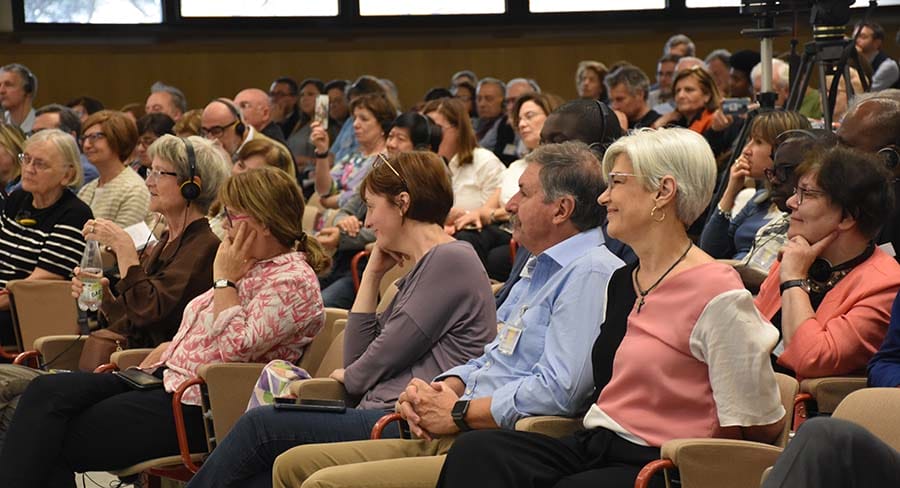
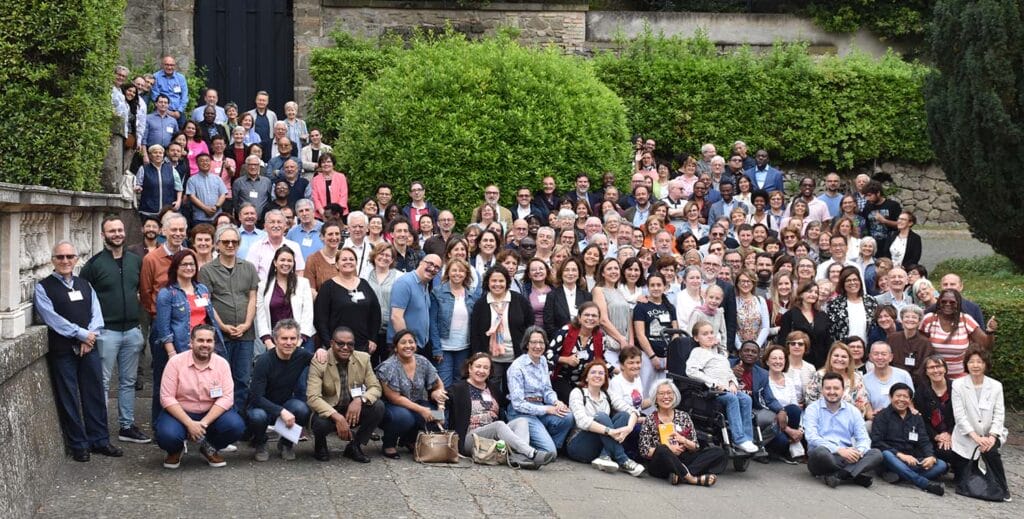
“Embracing Hope.” With this wish, about 200 people from the Americas, Africa, the Middle East, Asia and all over Europe met at the Mariapolis Center in Castel Gandolfo (Rome) from May 16 to 19.
They are the contact persons of the Umanità Nuova, movement, the social expression of the Focolare Movement, New Humanity the NGO with consultative status in the United Nations, along with representatives of disciplines that dialogue with contemporary culture, the contact persons of Ragazzi per l’unità and of AMU (Action for a United World), the NGO that deals with special projects and development.
Also in attendance was a delegation of very young high school students who are part of Living Peace International, along with young ambassadors for peace, such as Joseph,
from Sierra Leone, who narrated how at the age of six he was recruited as a child soldier and has now become a young peace leader.
For some time now, these various social expressions -each with its own characteristics and goals- have been working together to help provide concrete responses to the burning issues and expectations of the contemporary world: “Together for Humanity” is their new name. Taking up the Pope’s invitation to the Focolare Movement during a private audience on Dec. 7, 2023, which was to “be artisans of peace in a world torn apart by conflict,” they wanted to dedicate the meeting precisely to peace.
An experience of listening, communal reflection and concrete planning, carried out in the eight communities distinguished by areas and passions. A journey that will continue with the Genfest in Brazil next July, intertwine with the United Nations Summit for Future in September 2024, and with the event in Nairobi with the youth and cities of the world, on the occasion of the 80th anniversary of the United Nations. During the meeting, those present, with the help of experts and testimonies, professors, diplomats, social and cultural actors, and organized citizens, reflected on the issue of what is peace, if it is indeed possible to achieve it and by what means.
So many touching experiences from countries in conflict. From Syria, they recounted the brutality of the war they have been experiencing since 2011, aggravated by the embargo affecting an exhausted population. AMU projects such as RESTART, which supports micro businesses with loans and personalized mentoring, have helped slow constant migration processes. Christiane, from Lebanon, despite the situation in her country, characterized by very high inflation and high emigration rates aggravated by the impacts of the war in the Middle East, did not give up: she set up with her husband a productive enterprise for family support and to also help other artisans and rural producers sell their products. The productive initiative also extended to Egypt. From Congo, the fruits of the school for training leaders for peace were presented. A graduate of this school, Joëlle, a journalist and a presidential candidate of the Republic of Congo, launched her presidential platform with the values of peace and social justice. Youths from Ukraine greeted those present with a video, and so did some youths from Bethlehem, Pakistan, Cuba, and the Philippines. The “Together for a New Africa” (T4NA) project for African youth interested in changing the continent was presented: trained hundreds of youth and involved another 9,000 youth in an experience that reached 14 African nations. The same is being done in Mexico with the National Agenda for Peace, in the United States with courageous conversations against racism.
There is a need for true peace and human rights education as well as the need to name conflicts, exploring their reasons, trying to resolve them with a community strategy that listens to diverse and plural positions which precedes and accompanies every negotiation. It has been said that peace is not only the absence of war. Not everything that is called order is peace. It is not ideological: it is not pacifism. It is the condition in which each person can think and realize his own future. But we need to learn dialogue as a methodology, with which to be willing to lose something for the greater good. This is basically the reason for which perhaps negotiations are not progressive and even international organizations do not seem to be able to handle the crisis. Dialogue, trust, local and global networks, inter-generation, community. We start from here, from these key words, encouraged also by Margaret Karram and Jesús Morán , President and Co-President of the Focolare Movement, who were present on the final day. This is the road to peace, to which we want to contribute concretely, and together.
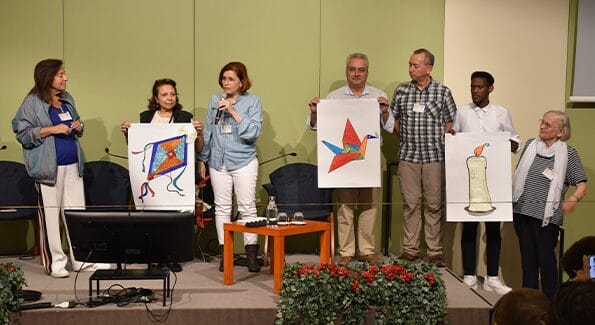
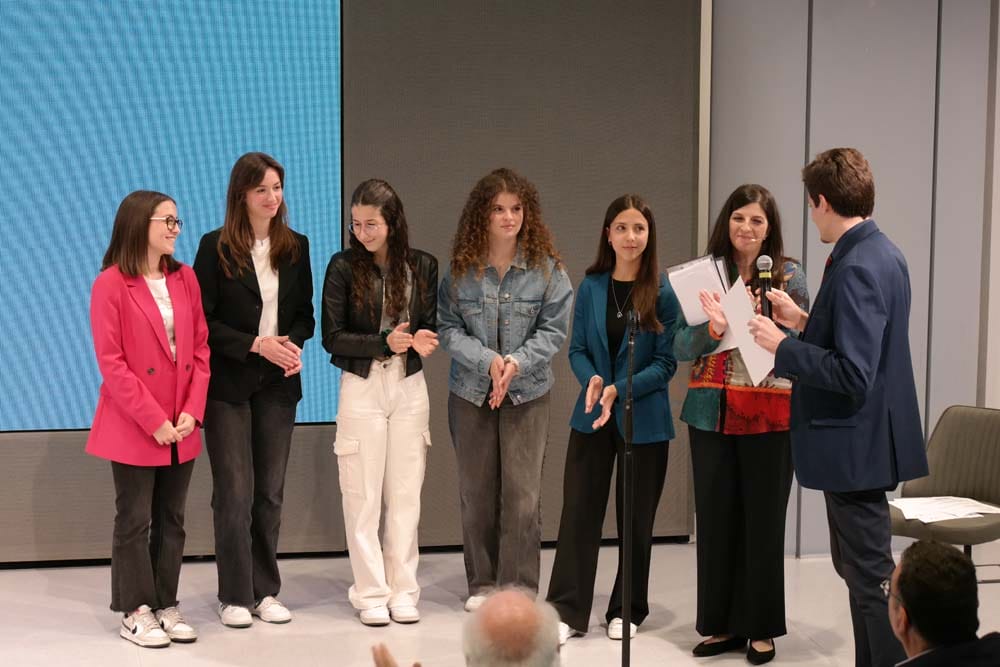
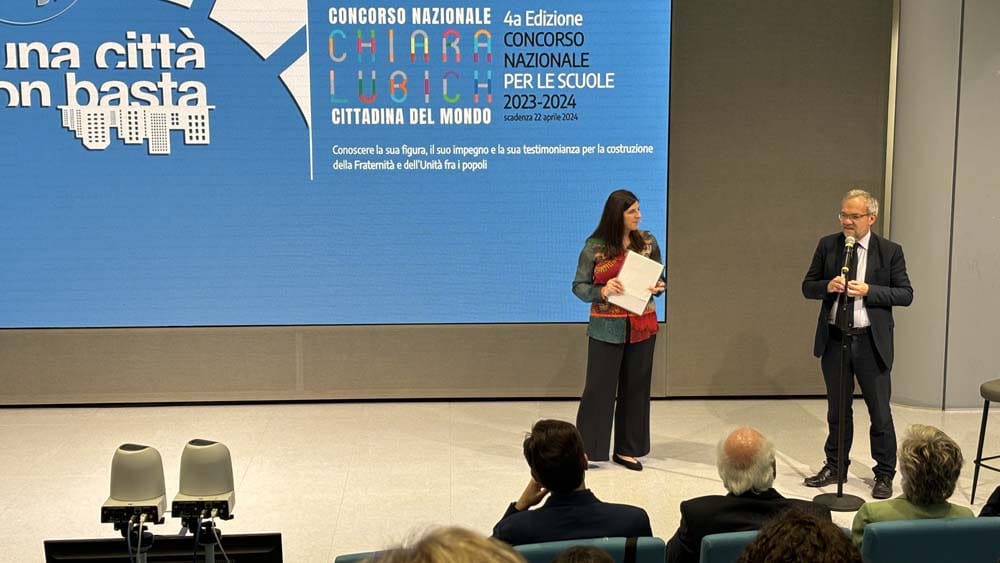
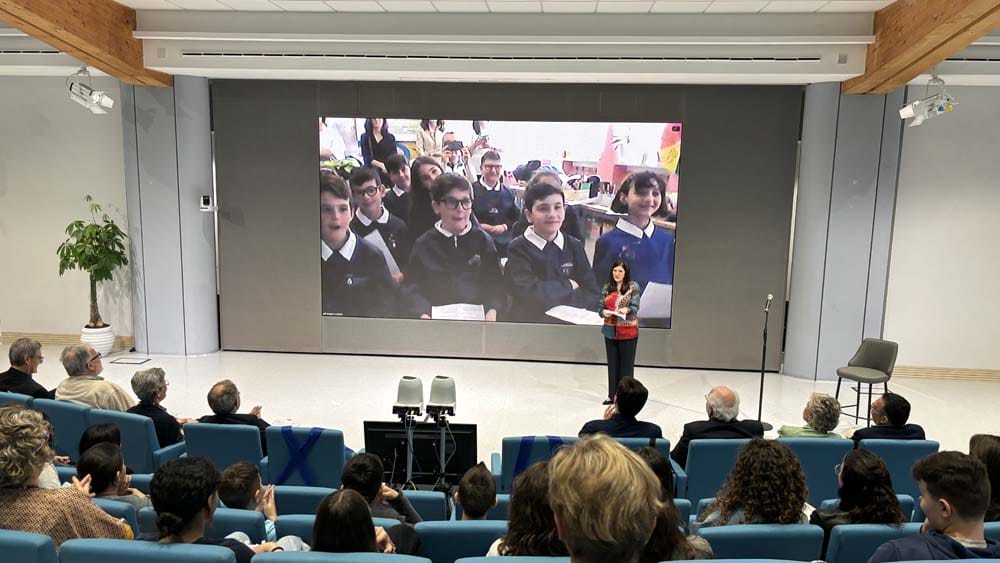
The Awards Ceremony for the National Competition for Schools “One city is not enough. Chiara Lubich, citizen of the world”, took place on Friday 17th May, 2024, in the Auditorium of the International Centre of the Focolare Movement (Rocca di Papa – Rome). It was organized by the , Chiara Lubich Centre, New Humanity, Foundation Museo Storico del Trentino, and with the support of the Italian Ministry of Education and Merit.
The Competition took place for the 4th time. It was open to all Italian schools, nationally and abroad and once again provided an opportunity for many primary and secondary school students to reflect on pressing themes such as peace and the sustainability of humanity and the environment. These themes were aligned with the goals of the 2030 Agenda for Sustainable Development and inspired by the thoughts and testimony of Chiara Lubich, Founder of the Focolare Movement and advocate for a culture of unity and fraternity among peoples.
About 330 students from 14 schools across Italy including the major islands, participated. They presented 21 diverse projects, which the students carefully planned and executed processes with the support of their teachers.
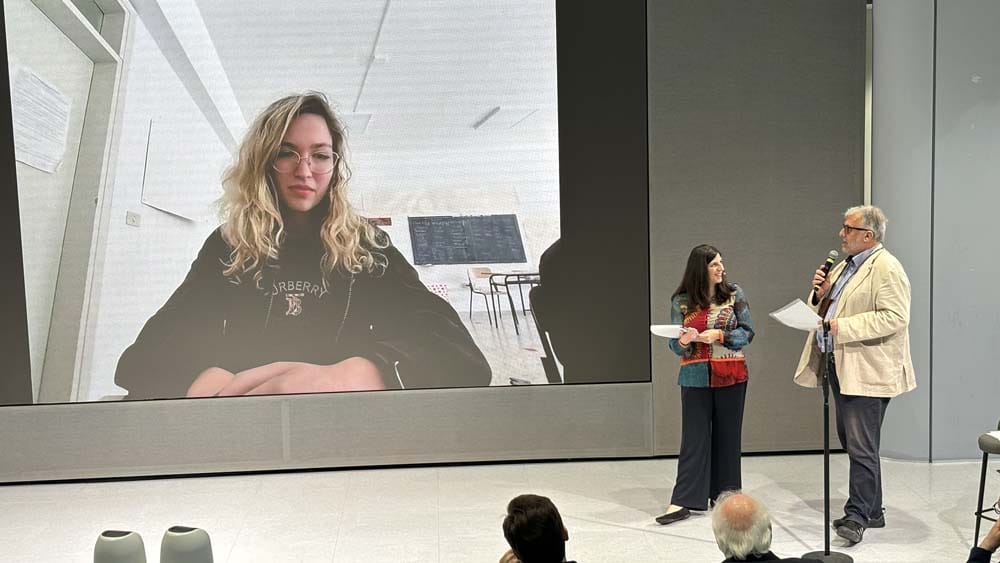
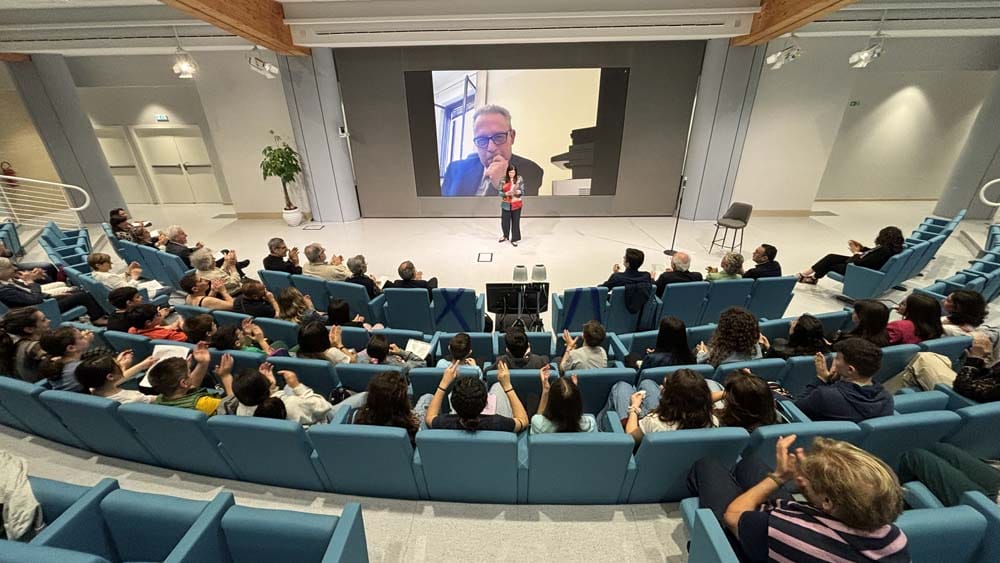
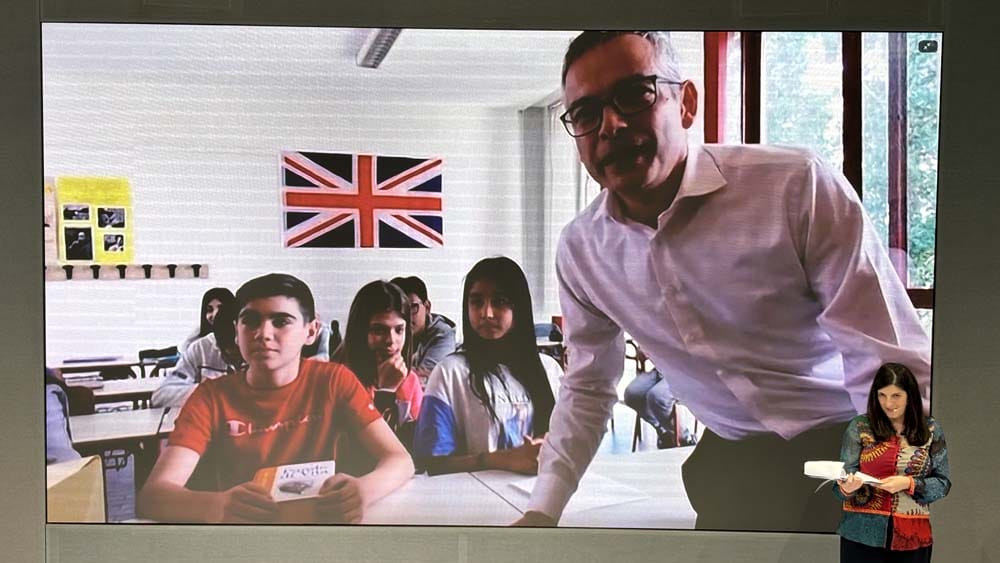
The award ceremony, included both in-person and online participation from the winning schools and those receiving commendations, was a moment of sharing and exchange. It highlighted not only the creativity of the students but also their strong focus on the contest’s themes The new generations, often overlooked, demonstrated their ability to observe, reflect and envision a better future and world, proposing viable paths to achieve it.
The VIPS who attended and those who presented the prizes to the winning schools, included Dr. Luca Tucci, Director of Office III (Area of Bio-Psycho-Social Well-being, Transversal Education and Legality) of the General Directorate Student Affairs, Inclusion and School Orientation at the Ministry of Education and Merit (MIM); Dr. Fabrizio Bagnarini, Director of Office III (Area of Bio-Psycho-Social Well-being, Transversal Education and Legality) of the General Directorate Student Affairs, Inclusion and School Orientation at the Ministry of Education and Merit (MIM); Dr. Giuseppe Ferrandi, Director of the Historical Museum Foundation of Trent; Prof. Maurizio Gentilini, historian and researcher at the NRC (National Research Centre); and Dr. Marco Desalvo, President of New Humanity.
In his online greeting before the awards ceremony began, Dr. Tucci reaffirmed the Ministry’s support for this initiative, stating: “Promoting certain values through raising awareness among young people and students is fundamental not only for their growth but for our society as a whole.”
In the Primary School category, first place was awarded to Class 4^ C of the I.C. 2nd Circle “Garibaldi” A. Moro School in Altamura (Bari) for their poetic work “The country of Fraternity”, which creatively expressed key concepts of Chiara Lubich’s philosophy and offered a hopeful vision for the future of the world.
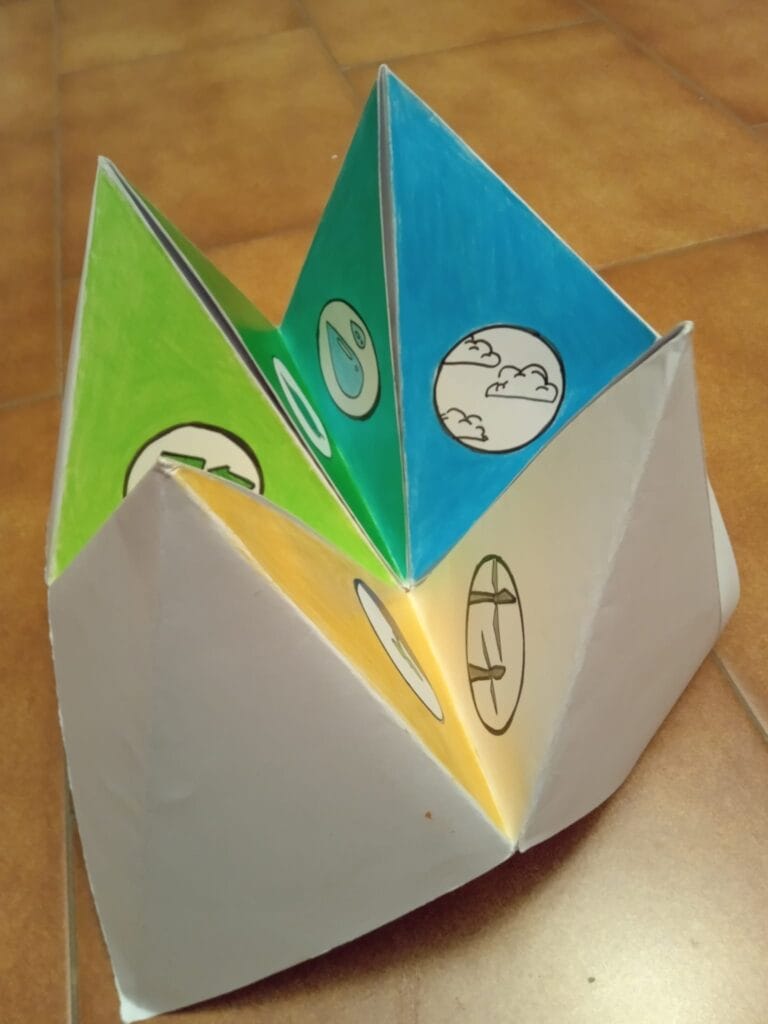
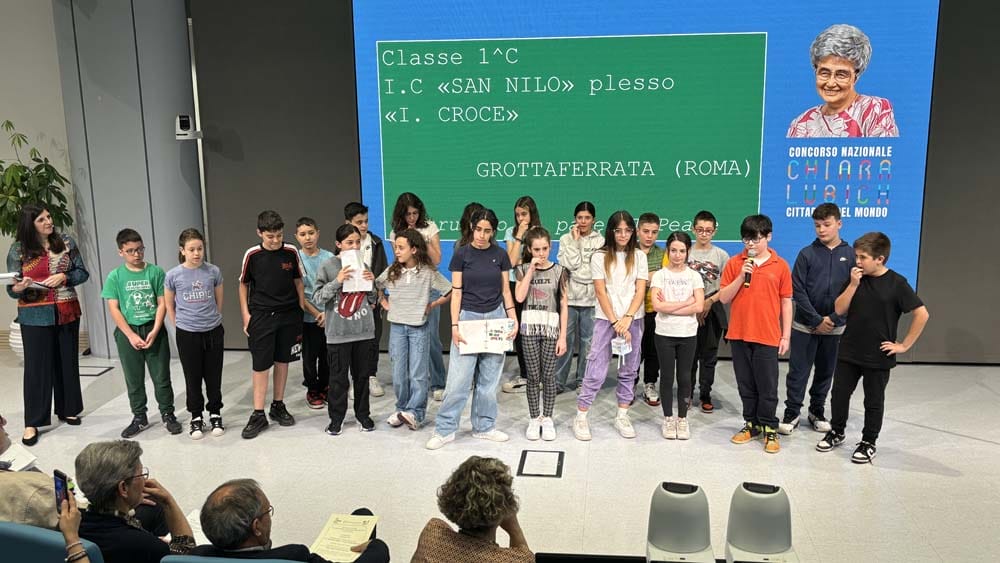
In the Lower Secondary School category, second place went to Class 1^ C of the I.C. “San Nilo” I. Croce School in Grottaferrata (Rome) for their innovative news program “Let’s Build Peace! Peace TV News” a project that showcased the class’s concrete experience and daily commitment to peace. First place was awarded to Class 3^ D of the I.C. “Filippo Mazzei” in Poggio a Caiano (Prato) for their project which was a game, “Origami for the environment”, an activity that transcended play to become a tool for reflection and concrete action in favour of the environment.
In the Upper Secondary School category, second place was a tie between Classes 2^ and 3^ C of the A. Doria Classical High School in Genoa for their digital project “The common home”, which proposed a reflection-based educational path on the aforementioned themes and Estelle Le Dauphin from Class 5^ I of the I.I.S. A. Bafile High School in L’Aquila for her textual work “Love that enlarges heart and arms” a reflection on Chiara Lubich’s philosophy focused on the concept of gift, also inspired by French anthropologist and sociologist Marcel Mauss.
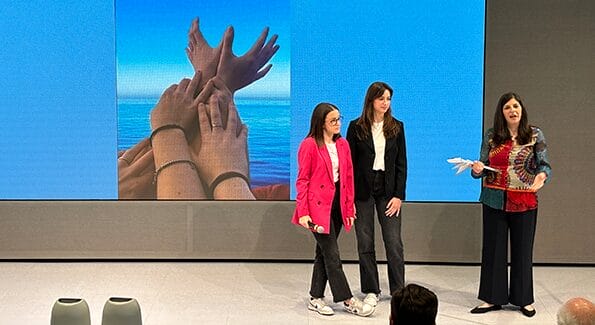
First prize in this category went to the photographic project “Horizons” , ” by Giulia Bilardello, Sara Marino and Chiara Parrinello from Class 3^ G of the P. Ruggeri Scientific High School in Marsala (Trapani). Their work conveyed a message of peace and the hope for a horizon where sea and sky unite, symbolizing collaboration to build a more fraternal world.